
One-Pan Honey Garlic Pork Chops with Apples
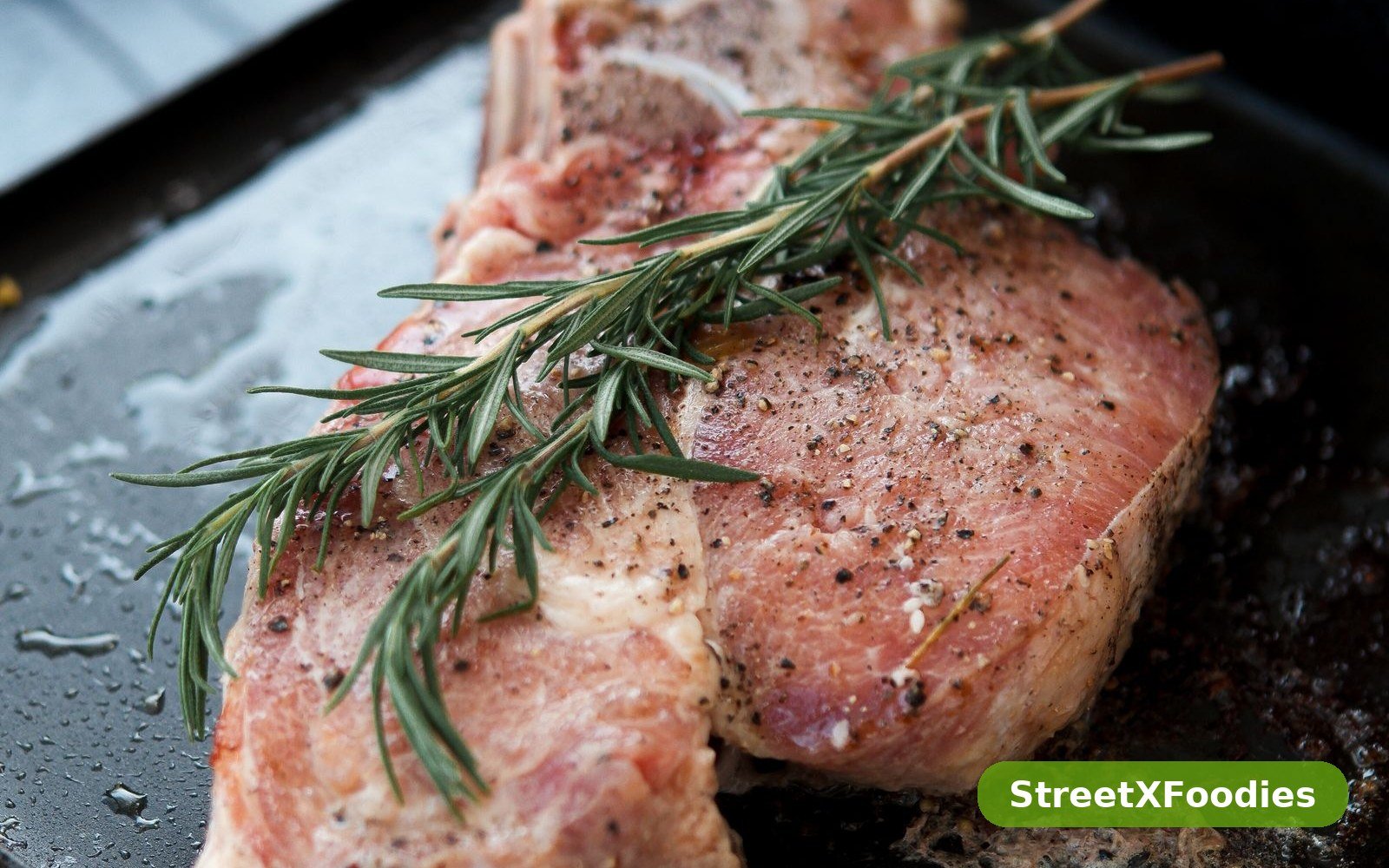
Pork chops and apples are one of those pairings that just makes sense, like tomatoes and basil, or cheese and crackers. The sweet, soft apples cut through the richness of the pork, the honey and garlic turn into a sticky glaze in the pan, and the sage adds a warm, earthy note that ties everything together. It is a combination that has been cooked in kitchens for generations, and when I make it, I understand why it has lasted so long. It is simple, it is comforting, and it tastes like autumn, even if you cook it in the middle of summer.
I started making this version on a night when I had pork chops in the fridge, a couple of apples that were going soft, and not much time. I seared the chops, threw in the apples with some butter, honey, and garlic, and hoped the flavours would come together. They did, beautifully, and the pan sauce that formed, sweet and savoury and glossy, was so good that I found myself spooning it over everything on the plate. Since then, this has become one of my favourite one-pan dinners, the kind I make when I want something that feels a little bit special but does not ask much of me.
What I love about this recipe is that it is a complete, satisfying meal from a single pan, and it is ready in about thirty-five minutes. The pork chops stay juicy because they are seared quickly and then finished gently in the sauce, rather than being cooked hard all the way through. The apples soften just enough to be tender, but they hold their shape, so you get soft, sweet slices alongside the savoury pork. And the sauce, made from the pan juices, honey, garlic, and a little stock, is the kind of sauce you will want to mop up with bread.
It is also a wonderfully forgiving recipe. If your apples are a little tart, add a touch more honey. If your chops are thick, give them a few extra minutes. If you do not have sage, thyme works well too. The method stays the same, and the result stays delicious, which is exactly what you want from a weeknight dinner. Serve it with mashed potatoes, or crusty bread, or a simple green salad, and you have a meal that feels generous and homely, without a sink full of pans afterwards.
Why You’ll Love This Recipe
First, it is fast and easy. From start to finish, you are looking at about thirty-five minutes, and most of that is just the chops cooking gently in the pan. There is no marinating, no oven to preheat, and no complicated sauce to make. You sear the pork, cook the apples, make a quick glaze, and you are done. It is the kind of recipe that works on a busy Tuesday, when you want a proper dinner but you do not want to spend an hour cooking it.
Second, the flavours are beautifully balanced. Pork can be rich, and a honey glaze on its own can be very sweet, but the apples bring a fresh, fruity acidity that keeps everything in check, and the garlic and sage add a savoury depth that stops the dish from feeling like a dessert. The result is sweet and savoury at the same time, in the best possible way, and every bite has a little bit of everything, juicy pork, soft apple, and sticky sauce. It is a combination that appeals to almost everyone, including people who are usually fussy about pork.
Third, it is a one-pan meal, which means the washing up is minimal and the flavours build on each other in the pan. The pork leaves behind browned bits and fat, the apples cook in those juices, and the honey and stock deglaze the pan, lifting all of that flavour up into the sauce. You do not need a separate pan for the apples or a separate jug for the sauce, because it all happens in the same place, in the right order, and the pan does the work for you.
It is also a great recipe for using up apples. If you have a fruit bowl full of apples that are a little past their best for eating raw, this is a perfect use for them. Cooking softens them, sweetens them, and turns them into something delicious, so nothing goes to waste. I make this most often in autumn, when apples are plentiful and cheap, but it works all year round, and it is a lovely way to make a simple pork chop feel like a proper, thoughtful meal.
Ingredients You’ll Need
- 4 bone-in pork chops, about 2.5cm thick, 200g each
- 2 medium apples, such as Braeburn or Honeycrisp, cored and sliced into wedges
- 3 tablespoons honey
- 4 cloves garlic, finely minced
- 2 tablespoons unsalted butter
- 1 tablespoon olive oil
- 120ml chicken stock
- 1 tablespoon apple cider vinegar
- 1 tablespoon Dijon mustard
- 1 teaspoon fresh sage leaves, chopped, plus extra leaves to serve
- 1/2 teaspoon smoked paprika
- 1/2 teaspoon fine sea salt
- 1/2 teaspoon black pepper, freshly ground
- 1/4 teaspoon chilli flakes, optional
- Fresh parsley, chopped, to serve
How to Make One-Pan Honey Garlic Pork Chops with Apples
Start by taking the pork chops out of the fridge about twenty minutes before you cook them, because cold meat straight from the fridge does not sear as well as meat that has had a chance to come up to room temperature. Pat the chops dry with kitchen paper on both sides, and season them generously with salt, pepper, and smoked paprika. Dry meat browns far better than wet meat, so take a moment to pat them properly dry, and do not be shy with the seasoning. The seasoning is not just for flavour, it also helps the surface of the pork to colour and crisp in the pan.
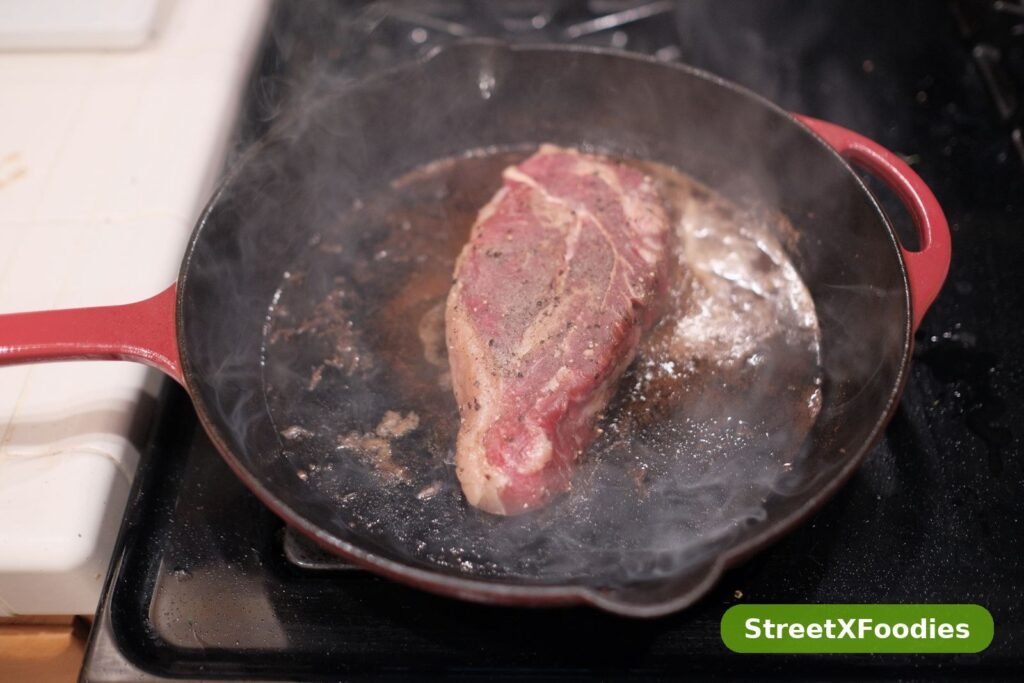
Heat the olive oil in a large, heavy pan or skillet over a medium-high heat, until the oil is shimmering but not smoking. Place the pork chops in the pan, leaving space between them, and do not move them for four to five minutes. Let the underside turn deep golden brown and develop a proper crust, because that crust is where much of the flavour comes from. If you move the chops too soon, they will stick and tear, and you will lose that lovely browned surface. When the first side is golden, turn the chops over and cook for another three to four minutes on the other side, until they are browned all over and feel firm but still springy when you press them gently.
Take the chops out of the pan and set them aside on a warm plate, covered loosely with foil. They will finish cooking later in the sauce, so do not worry if they are not quite done in the middle yet. There will be browned bits and a little fat left in the pan, and that is exactly what you want. Turn the heat down to medium, add the butter, and let it melt and foam. Add the apple wedges in a single layer, and cook them for three to four minutes, turning them once, until they have softened slightly at the edges and started to turn golden. You want them tender but still holding their shape, not mushy, so watch them closely and take them out if they start to collapse. Set the apples aside with the pork chops for a moment.
Now make the sauce, which takes only a few minutes but is the heart of the dish. Add the garlic to the same pan and cook it for thirty seconds, stirring constantly, until it smells sweet and fragrant. Be careful not to let it burn, because burnt garlic tastes bitter and it will spoil the sauce. Pour in the chicken stock and the apple cider vinegar, and scrape the bottom of the pan with a wooden spoon to lift up all the browned bits. Those bits are pure flavour, and they will dissolve into the stock and make the sauce taste rich and savoury. Stir in the honey, Dijon mustard, chopped sage, and chilli flakes if you are using them, and let the sauce simmer gently for two to three minutes, until it has thickened slightly and looks glossy.
Return the pork chops and the apples to the pan, nestling the chops down into the sauce and arranging the apples around them. Spoon some of the sauce over the top of the chops, turn the heat down to low, and cover the pan with a lid. Cook gently for five to seven minutes, until the pork is cooked through and the sauce has thickened into a sticky glaze that coats the chops and the apples. The pork is ready when it reaches 63°C in the thickest part, or when the juices run clear and the meat feels firm but not hard. If you cut into a chop and it is still pink in the very centre, give it another minute or two, but do not overcook it, because pork chops dry out quickly once they go past that point.
Take the pan off the heat and let the chops rest in the pan for three or four minutes, with the lid on, so the juices can settle back into the meat. This short rest makes a real difference to how juicy the pork tastes when you cut into it. Spoon the sauce and the apples over the chops, sprinkle with extra sage leaves and chopped parsley, and serve straight from the pan. The sauce will be sticky, sweet, and savoury, the apples will be soft and golden, and the pork will be juicy and tender. It is a dish that looks as good as it tastes, and it is best eaten while it is still warm.
Tips for the Best Honey Garlic Pork Chops
Choose thick pork chops, at least two and a half centimetres thick, because thin chops overcook in minutes and turn dry and tough before the sauce has had time to form. Bone-in chops are best, because the bone helps the meat stay juicy and adds flavour to the pan, but thick boneless chops will also work if that is what you have. Look for chops with a little fat around the edge, because that fat keeps the meat moist as it cooks and adds flavour to the sauce. Avoid very lean, thin chops for this recipe, because they will not give you the result you want.
Do not overcook the pork. This is the most common mistake with pork chops, and it is the one that turns a lovely dinner into a dry, chewy one. Pork is safe to eat when it reaches 63°C, and it can still have a very faint blush of pink in the centre at that temperature. If you cook it until it is completely white and firm all the way through, you have gone too far. Use a meat thermometer if you have one, or cut into the thickest chop and check that the juices run clear. Then let the chops rest for a few minutes, because they will continue to cook slightly in the residual heat.
Sear the chops properly before you make the sauce. A good, deep golden sear adds flavour that you cannot get any other way, and it gives the chops a lovely colour that makes the dish look appetising. Make sure the pan is hot before the chops go in, do not crowd the pan, and do not move the chops until they have had time to brown. If your pan is small, sear the chops in two batches rather than squeezing them all in at once, because crowded chops steam instead of searing, and you will lose that crust.
Cook the apples separately from the pork, and do not let them turn to mush. Apples cook quickly, and if you leave them in the pan for too long, they will collapse into a sauce, which is not what you want here. You want soft, golden wedges that hold their shape and give you a distinct bite of apple alongside the pork. Cook them for three to four minutes, take them out, and add them back at the end, when the chops are finishing in the sauce. That way they stay intact and look beautiful on the plate.
Variations to Try
If you like a little heat, add a pinch more chilli flakes to the sauce, or a teaspoon of hot sauce stirred in at the end. The honey takes the edge off the spice, so the result is warm rather than fiery, and it works well with the sweetness of the apples. You can also add a finely chopped red chilli to the pan with the garlic, for a fresh, bright heat that lifts the whole dish. Serve with a cooling yoghurt or a simple salad if you want to balance the spice.
For a richer, more autumnal version, add a splash of apple cider or a spoonful of wholegrain mustard to the sauce, and use a mixture of apples and pears. The pears soften beautifully and add a delicate sweetness, and the cider deepens the apple flavour in the sauce. You can also add a handful of walnuts to the pan with the apples, which toast in the butter and add a lovely crunch. This version is wonderful with mashed potatoes and a glass of cider, and it feels like a proper harvest dinner.
If you want to make the dish lighter, use boneless pork loin steaks instead of bone-in chops, and reduce the honey to two tablespoons. The cooking time will be shorter, so check the pork after four minutes in the sauce, and take it out as soon as it is cooked through. Serve with a big salad and some steamed green beans instead of mashed potatoes, and you have a lighter meal that still has all the flavour of the original. The sauce is so good that you will not miss the extra richness.
You can also change the herbs. Sage is the classic partner for pork and apples, but thyme, rosemary, and marjoram all work well too. Thyme gives the dish a gentle, lemony note, rosemary adds a stronger, pine-like flavour, and marjoram is softer and sweeter. Try a combination of sage and thyme if you are not sure, and see which one your family likes best. Fresh herbs are better than dried here, because they add a brightness that dried herbs cannot match, but if you only have dried herbs, use half the amount and add them a little earlier, so they have time to soften in the sauce.
For a different fruit, try this recipe with firm pears or even with sliced peaches in summer. Pears cook in the same way as apples, although they soften a little faster, so check them after two or three minutes. Peaches are softer and sweeter, and they make a lovely summery version of the dish, especially with a little fresh basil instead of sage. The method stays the same, so once you know how to cook the pork and make the glaze, you can adapt the fruit to the season and to what you have in the kitchen.
Serving Ideas
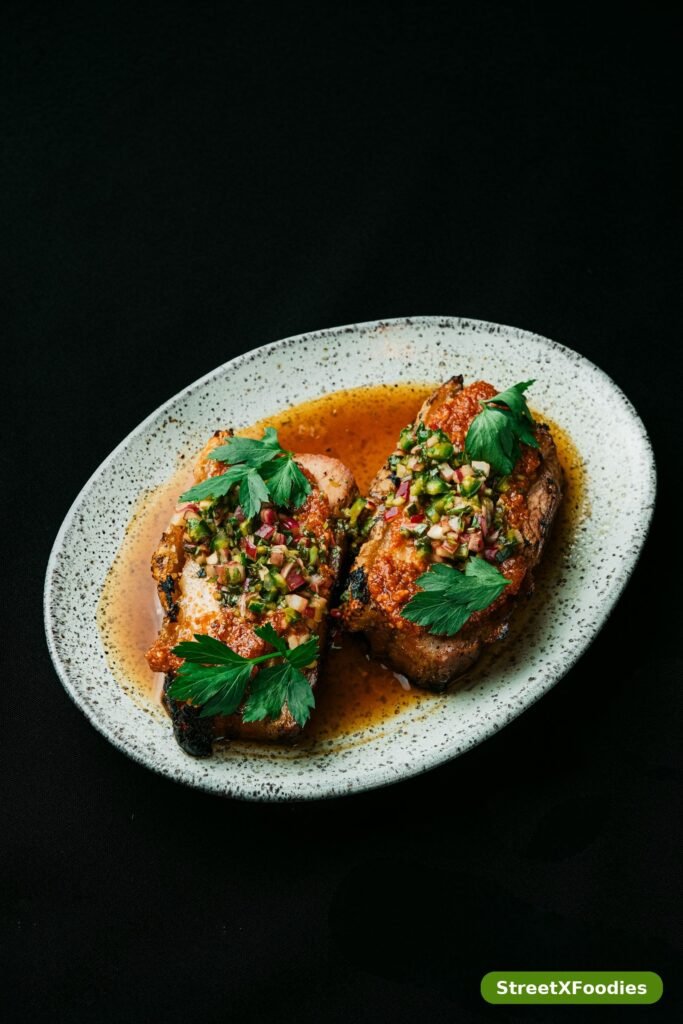
The classic partner for these pork chops is mashed potatoes. The creamy, buttery mash soaks up the honey garlic sauce beautifully, and the soft potatoes and the soft apples make a comforting plate that feels like a proper home-cooked dinner. Add a spoonful of peas or some steamed green beans on the side, and you have a complete meal that will satisfy even the hungriest person at the table. A little extra sauce spooned over the mash is never a bad idea, because the sauce is the best part of the dish.
Crusty bread is another wonderful partner, especially if you want to mop up every last drop of the sauce. Serve the chops straight from the pan, with a basket of warm bread on the table, and let everyone help themselves. A simple green salad with a sharp lemon dressing adds freshness and cuts through the sweetness of the honey, and it keeps the meal from feeling too heavy. If you are serving this for friends, a bottle of apple cider or a light white wine goes well with it, although sparkling water with a slice of apple is just as refreshing.
For a lighter meal, serve the chops with a big salad and some roasted vegetables. A plate of roasted cauliflower with tahini and lemon works beautifully, because the nutty cauliflower and the tangy tahini balance the sweet apples and the honey glaze. You can also serve the chops sliced, over a bed of rice or couscous, with the apples and sauce spooned over the top, which makes the dish go further and turns it into a lovely, informal bowl. If you want another one-pan dinner for the week, try this one-pan chicken and chorizo rice, which is smoky and savoury where this dish is sweet and sticky.
They also work well as part of a bigger autumn table. Put the pan of pork chops in the middle, with a bowl of mashed potatoes, a dish of roasted carrots, and a simple apple and walnut salad, and let people serve themselves. It is a relaxed, generous way to feed friends, and it suits a cool evening when everyone wants something warm and comforting. For a lighter, wrap-based meal another night, these easy street-style chicken wraps are quick and filling, and these easy homemade chicken kebab wraps are another favourite for busy evenings when you want something handheld and flavourful.
Storage and Reheating
Leftover pork chops and apples will keep in the fridge for up to three days in an airtight container, with the sauce poured over the top to keep the meat moist. Let them cool completely before you put the lid on, and store the apples and the chops together, because the sauce will keep everything from drying out. When you want to reheat them, the best method is gently, in a pan on the hob, over a low heat, with a splash of water or stock added to loosen the sauce. Heat them for five to six minutes, spooning the sauce over the chops as they warm, until they are hot all the way through. Avoid high heat, because it will dry the pork out and make the apples mushy.
You can also reheat them in the microwave, although the texture will not be quite as good. Put the chops and apples in a microwave-safe dish, cover them loosely, and heat them in short bursts of one minute, spooning the sauce over them between bursts, until they are hot. The microwave is quicker, but it can make the pork rubbery if you overheat it, so use a low power setting if you can, and eat them as soon as they are hot. Add a sprinkle of fresh parsley after reheating, to brighten the flavours back up.
I do not recommend freezing cooked pork chops with apples, because the texture suffers. The pork can turn dry when it thaws, and the apples go very soft and watery. If you do need to freeze them, freeze the chops on their own, without the apples, in a freezer-safe container for up to two months, and make fresh apples and sauce when you reheat them. Thaw the chops overnight in the fridge, reheat them gently in a pan with a little stock, and cook a fresh batch of apples while they warm. It is a little more work, but the result is much better than reheating a frozen apple.
Frequently Asked Questions
How do I know when pork chops are cooked?
Pork chops are cooked when they reach 63°C in the thickest part, and the juices run clear when you cut into them. They should feel firm but still springy when you press them gently, not hard and stiff. If you do not have a thermometer, cut into the thickest chop and check that the meat is no longer raw and pink in the centre, although a very faint blush is fine at 63°C. Let the chops rest for three or four minutes after cooking, because they will continue to cook slightly in the residual heat. For general food safety guidance, the USDA food safety pages are a reliable place to check safe cooking temperatures.
What kind of apples work best with pork chops?
Firm, sweet-tart apples like Braeburn, Honeycrisp, Gala, and Fuji work best, because they hold their shape and soften without collapsing. Granny Smith apples are also good if you like a sharper contrast with the honey, although you may want a little more honey to balance the tartness. Avoid very soft apples, because they turn to mush in the pan. Choose apples that are similar in size, and slice them into even wedges so they cook at the same rate.
Can I make this recipe with boneless pork chops?
Yes, you can. Thick boneless chops work well, although they cook a little faster, so check them after four minutes in the sauce. They will not have the bone to help keep them juicy, so be especially careful not to overcook them, and let them rest for a few minutes before serving. If your boneless chops are thin, reduce the searing time to three minutes per side, and reduce the simmering time to three or four minutes.
Can I make the sauce without honey?
Yes, you can use maple syrup instead of honey, which gives the sauce a slightly different, more caramel-like sweetness. You can also use brown sugar, although you will need to dissolve it well in the stock before you add the chops back in. If you want a less sweet sauce, reduce the honey to two tablespoons and add an extra teaspoon of apple cider vinegar, which will make the sauce sharper and more savoury. Taste the sauce before you add the chops back, and adjust it to your liking.
What should I serve with honey garlic pork chops?
Mashed potatoes are the classic choice, because they soak up the sauce beautifully. Crusty bread, rice, and couscous also work well, and a simple green salad or some steamed green beans add freshness. Roasted carrots, parsnips, and Brussels sprouts are lovely in autumn, and a spoonful of applesauce on the side is a nice touch if you want even more apple flavour. For more pork ideas, the BBC Good Food pork recipes collection has plenty of inspiration for different cuts and flavours.
Can I cook this in the oven instead of on the hob?
Yes, you can sear the chops and cook the apples on the hob as described, then transfer the whole pan to an oven at 190°C, or 375°F, for ten to twelve minutes, until the pork is cooked through. Make sure your pan is oven-safe before you do this, and use oven gloves when you take it out, because the handle will be very hot. The hob method is quicker and gives you more control over the sauce, but the oven version works well if you prefer to let the dish finish without watching it.