
Homemade Cinnamon Rolls with Cream Cheese Frosting
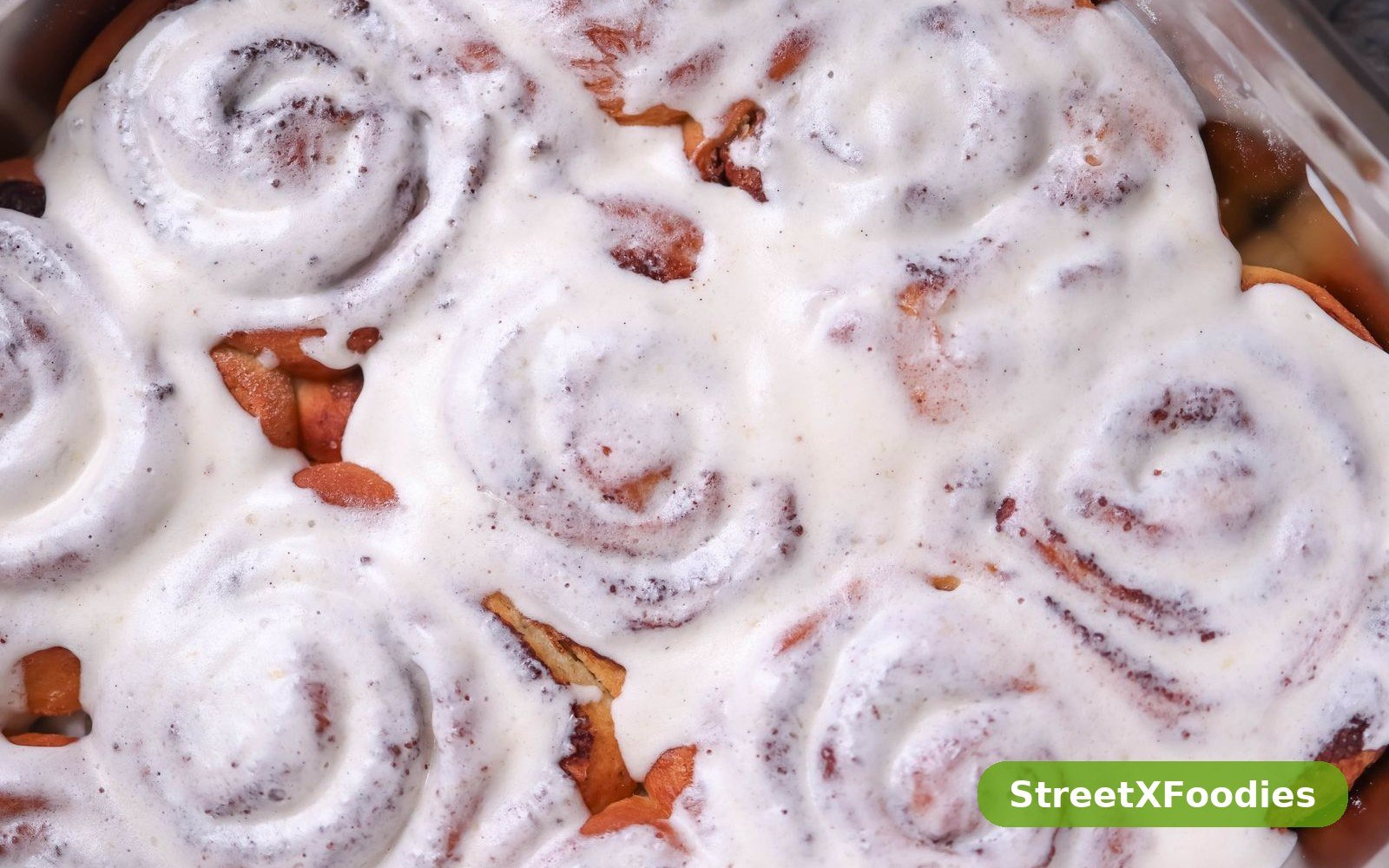
There is something about the smell of cinnamon rolls baking that changes the whole mood of a house. It drifts down the hallway, sneaks under bedroom doors, and before long everyone is wandering into the kitchen asking how much longer. I have made these rolls on slow Sunday mornings, on cold rainy days, and more than once the night before a birthday, just so the morning could start with something warm and sweet. They are not a quick bake, and I will not pretend they are, but they are a forgiving one, and the reward is a pan of soft, gooey rolls that taste like they came from a proper bakery.
The first time I made cinnamon rolls from scratch, I was nervous about the yeast. I kept checking the dough every ten minutes, convinced I had killed it somehow, and I am telling you this because if you feel the same way, you are in good company. Yeast is far more patient than we give it credit for. Give it warm milk, a little sugar, and a warm corner of the kitchen, and it will do its work quietly while you get on with the filling. The dough in this recipe is soft and a little sticky at first, and that is exactly how it should be. A soft dough makes soft rolls, and a stiff, dry dough makes rolls that go hard before they even cool.
What I love most about this recipe is how the filling stays put. We spread softened butter right to the edges, then press a thick layer of brown sugar and cinnamon over it, so every single swirl gets its fair share. There is no sad, pale centre here, and no dry outer roll that nobody wants. The rolls bake close together in the pan, which is the real secret to that pull-apart softness, because they steam each other gently as they rise and bake. By the time they come out, the edges are golden and the middles are tender and just a little gooey.
The frosting is the part people remember. It is not the thin, sugary glaze that disappears into the roll. This is proper cream cheese frosting, thick enough to sit on top in soft swirls, tangy enough to balance the sweetness, and soft enough to melt slightly into the warm rolls. Spread it on while the rolls are still warm, not piping hot, and it will settle into every swirl without sliding straight off. Serve them warm, with coffee, and do not be surprised if the pan is empty before you have even sat down.
Why You’ll Love This Recipe
These rolls are soft in the way good cinnamon rolls should be soft, the kind where you can pull one apart with your fingers and see the layers stretch and separate. The dough uses milk, butter, and an egg, which gives it a rich, tender crumb rather than a bread-like chew. It rises beautifully, bakes up golden, and stays soft for a day or two afterwards, which is more than I can say for a lot of homemade rolls I tried before settling on this version.
The filling is generous, and I mean that as a compliment. Two tablespoons of cinnamon might sound like a lot when you are measuring it out, but once it is mixed with brown sugar and butter it turns into something warm and caramel-like in the oven, not sharp or overpowering. The brown sugar melts slightly as the rolls bake, so the swirls stay moist and sticky in the best possible way. If you have ever bitten into a cinnamon roll and thought it tasted mostly of plain bread, this one will fix that for you.
It is also a recipe you can fit around your day. The dough can be made the night before and left to rise slowly in the fridge, which actually makes the rolls taste even better, and then all you have to do in the morning is slice, let them puff up, and bake. That makes them perfect for holidays, birthdays, and weekends when you want something special without getting up at dawn. And because the frosting is just cream cheese, butter, sugar, and vanilla, there is nothing fiddly about finishing them.
Ingredients You’ll Need
- 240 ml whole milk, warmed until just lukewarm — warm enough to feel comfortable on your wrist, not hot
- 2 and 1/4 teaspoons active dry yeast, one standard packet — this is what gives the rolls their lift
- 100 g caster sugar, divided — half for the dough, half for the filling with the brown sugar below
- 75 g unsalted butter, melted and slightly cooled, for the dough
- 1 large egg, at room temperature — cold egg can cool the dough down and slow the rise
- 1 teaspoon vanilla extract — adds warmth to the dough itself, not just the frosting
- 1 teaspoon fine salt — balances the sweetness and brings out the cinnamon
- 480 g plain flour, plus a little extra for dusting — spoon it into the cup rather than packing it down
- 75 g unsalted butter, softened until spreadable, for the filling
- 150 g light brown sugar, for the filling — its molasses notes are what make the swirls taste caramel-like
- 2 tablespoons ground cinnamon — use a fresh jar if yours has been sitting open for a year
- 115 g full-fat cream cheese, softened, for the frosting — low-fat cream cheese makes a runny frosting
- 55 g unsalted butter, softened, for the frosting
- 120 g icing sugar, sifted, for the frosting — sifting stops lumps
- 1 teaspoon vanilla extract, for the frosting
- 1 pinch of salt, for the frosting — just enough to sharpen the tang
How to Make Homemade Cinnamon Rolls with Cream Cheese Frosting
Start by warming the milk. I pour it into a small pan and heat it gently until it feels like a warm bath on the inside of my wrist, then I take it off the heat straight away. If it is too hot it will kill the yeast, and if it is too cold the yeast will take forever to wake up, so this little test is worth doing properly. Pour the warm milk into a large bowl, stir in a tablespoon of the sugar, then sprinkle the yeast over the top. Give it one gentle stir, leave it alone for about ten minutes, and you should see it turn foamy and smell faintly yeasty. That foam is your sign that the yeast is alive and ready to work.
Once the yeast is foamy, stir in the rest of the sugar, the melted butter, the egg, and the vanilla. The mixture will look a little messy and yellow at this stage, and that is fine. Add the salt and about half the flour, and stir with a wooden spoon until you have a shaggy, sticky dough. Then add the rest of the flour a little at a time, stirring until the dough starts to come away from the sides of the bowl. It will still feel soft and slightly tacky, and that is the texture you want, so resist the urge to keep adding flour until it feels firm.
Turn the dough out onto a lightly floured surface and knead it for about eight minutes. I push it away with the heel of my hand, fold it back, turn it a quarter, and repeat, and after a few minutes it changes from rough and sticky to smooth and springy. If it sticks to your hands at the start, dust your hands with a little flour rather than dumping more into the dough. When it is ready, it should spring back slowly when you poke it with a finger. Put it in a lightly oiled bowl, cover it with a clean tea towel or cling film, and leave it somewhere warm for about an hour, until it has doubled in size.
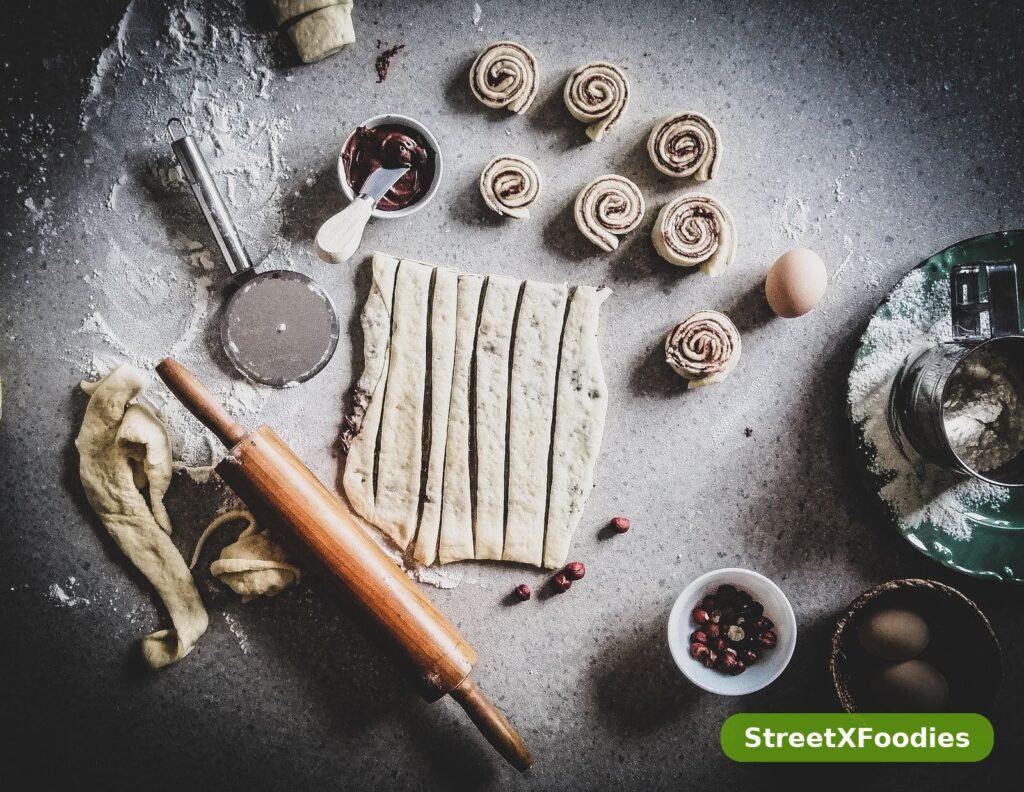
While the dough rises, make the filling by mixing the brown sugar and cinnamon together in a small bowl, and set the softened butter nearby. When the dough has doubled, punch it down gently to knock out the big air bubbles, then roll it out on a lightly floured surface into a rectangle roughly 45 cm by 35 cm. Try to keep the corners reasonably square and the thickness even, because an even rectangle gives you even rolls. Spread the softened butter over the whole surface, right to the edges, then sprinkle the cinnamon sugar over it in an even layer and press it down very lightly with your hands so it sticks to the butter.
Now roll the dough up from the long side, keeping it snug but not pulling it tight. A tight roll squeezes the filling out and makes the centres pop up while baking, while a loose roll falls apart when you slice it. Once you have a log, pinch the seam closed underneath. For slicing, I use a piece of unflavoured dental floss or a very sharp serrated knife, because a blunt knife squashes the rolls flat. Slide the floss under the log, cross the ends over the top, and pull gently to cut clean rounds about 4 cm thick. You should get twelve rolls.
Place the rolls cut-side up in a buttered baking dish, leaving just a little space between them, and cover them loosely. Let them rise again for about thirty to forty minutes, until they look puffy and are touching each other. While they rise, heat the oven to 180 degrees Celsius. Bake the rolls for twenty-five to thirty minutes, until the tops are golden brown and the filling is bubbling gently at the edges. If they start browning too fast, lay a sheet of foil loosely over the top for the last ten minutes. Let them cool in the pan for about ten minutes before frosting.
For the frosting, beat the softened cream cheese and butter together until smooth and creamy, then beat in the icing sugar, vanilla, and salt until it is thick and spreadable. If it feels too stiff, add a teaspoon of milk; if it feels too soft, add a spoonful more icing sugar. Spread it generously over the warm rolls, letting it sink into the swirls, and serve while they are still warm. I usually frost the whole pan at once, but if you want neater slices, you can frost each roll as you serve it.
Tips for the Best Cinnamon Rolls
The milk temperature matters more than almost anything else in this recipe, so take a moment to get it right. Too hot and the yeast dies, too cold and the rise takes twice as long. Lukewarm, like a comfortable bath, is the sweet spot, and testing it on your wrist is more reliable than guessing. If your kitchen is cold, let the dough rise in the oven with just the light on, or near a warm radiator, and give it the full hour it needs rather than rushing it.
Do not be tempted to add lots of extra flour while kneading. A soft, slightly tacky dough is what makes soft rolls, and flour is very hard to take back once it is in there. Dust your hands and the work surface lightly instead, and trust that the dough will firm up as you knead. The same goes for the filling: spread the butter right to the edges, because the outer edge of the roll is the part that dries out first, and butter is what keeps it tender.
For the cleanest slices, dental floss really is the best tool, and I was sceptical too until I tried it. A knife, even a sharp one, drags the soft dough and squashes the swirl, while floss cuts straight through without pressing down. If you do use a knife, make sure it is serrated and use a gentle sawing motion rather than pressing straight down. And bake the rolls close together, because that is what keeps the sides soft and pillowy instead of crusty.
Variations to Try
If you like a little crunch, scatter a handful of chopped pecans or walnuts over the cinnamon sugar before you roll the dough up. They toast gently in the oven and give the soft rolls a lovely contrast. Raisins are another classic addition, and if you soak them in warm water for ten minutes first, they stay plump instead of drying out. For a slightly different flavour, add a quarter teaspoon of nutmeg or a pinch of cardamom to the filling, which makes the spice taste warmer and more interesting without changing the recipe.
For a chocolate version, replace two tablespoons of the brown sugar with cocoa powder and add a handful of small chocolate chips to the filling. It is richer, obviously, and children tend to love it. You can also swap the cream cheese frosting for a simple vanilla glaze made from icing sugar, milk, and vanilla if you prefer something lighter, or add a tablespoon of maple syrup to the frosting for a gentle maple flavour. An orange zest in the frosting is lovely at Christmas, and a spoonful of strong coffee in the frosting turns them into something that tastes almost like a cinnamon latte in roll form.
If you need a dairy-free version, use oat milk, a plant-based butter, and a dairy-free cream cheese. The rolls will be a touch less rich, but they still bake up soft and the flavour is very close. You can find a good discussion of how different milks behave in enriched doughs on King Arthur Baking’s cinnamon roll guide, which is worth a read if you bake with yeast often. For a smaller batch, halve the recipe and bake six rolls in a smaller dish, which works perfectly for a quiet weekend.
Serving Ideas
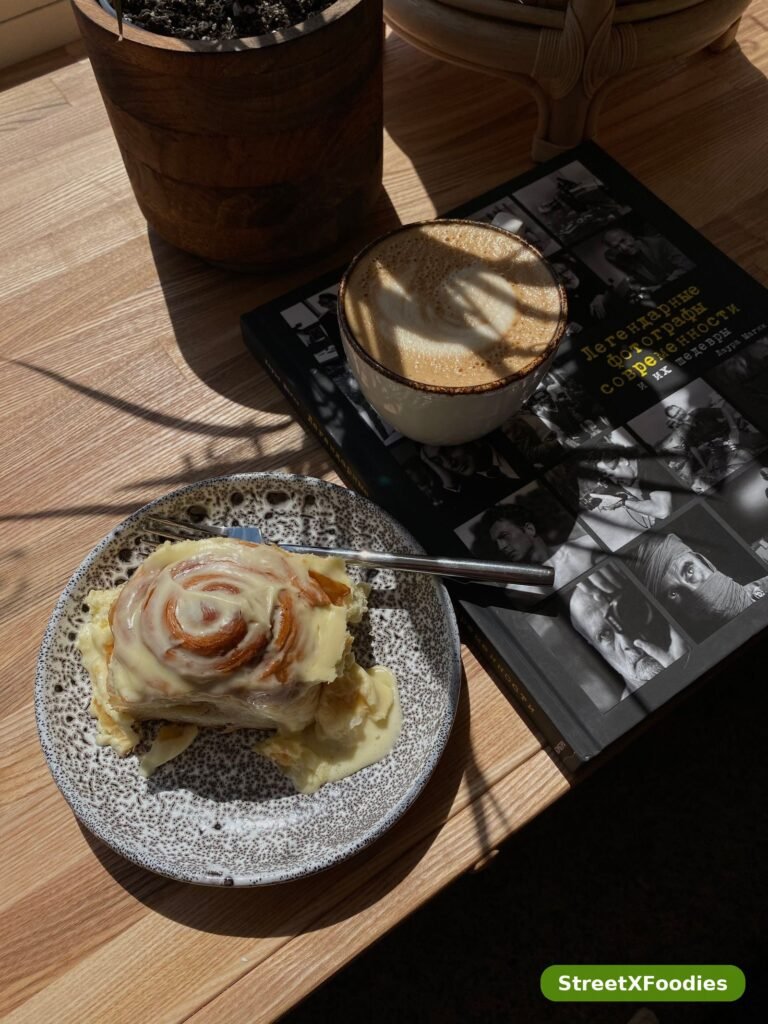
These rolls are at their best warm, straight from the pan, with the frosting just starting to melt into the swirls. I serve them for breakfast with strong coffee or milky tea, and on slow mornings I will put the whole pan in the middle of the table and let everyone pull one apart. They are also lovely as an afternoon treat, slightly warmed, with a glass of cold milk, and they make a wonderful centrepiece for a brunch table next to fresh fruit and scrambled eggs.
For a special occasion, serve them with a bowl of berries on the side, because the sharpness of the fruit cuts through the sweetness beautifully. A few slices of air fryer baked apples with cinnamon and oats on the same table make the whole thing feel like a proper celebration breakfast. If you are serving them after dinner as a dessert, a scoop of vanilla ice cream on a warm roll is honestly hard to beat, and a drizzle of caramel sauce over the top never hurt anyone.
They also travel well, which is why I take them to friends’ houses and to potlucks. Bake them in a disposable foil tray, frost them once they are warm rather than hot, and cover them loosely with foil. By the time you arrive they will still be soft, and you will be the person everyone asks for the recipe. A pan of these next to a plate of classic tiramisu with mascarpone cream makes a dessert table feel generous without much extra work.
Storage and Reheating
Leftover rolls keep well in an airtight container at room temperature for two days, and in the fridge for up to five days. I prefer to store them unfrosted if I know they will last more than a day, because the frosting softens the tops over time, but frosted rolls are still perfectly good, just a little softer. If you have frosted the whole pan and there are leftovers, cover the pan tightly with cling film or foil rather than transferring the rolls to another container, because moving them tends to squash the frosting.
To reheat, warm a single roll in the microwave for fifteen to twenty seconds, which brings back the softness and makes the frosting go slightly melty again. For a whole pan, cover it with foil and warm it in a 160 degree oven for about ten minutes. Avoid overheating them, because that dries them out faster than anything else. Unbaked rolls freeze well too: slice them, place them in the pan, cover tightly, and freeze for up to a month, then thaw overnight in the fridge and let them rise before baking. Baked, unfrosted rolls also freeze well for up to two months.
Frequently Asked Questions
Can I make cinnamon rolls the night before?
Yes, and this is honestly my favourite way to make them. Prepare the rolls right up to the second rise, cover the pan tightly with cling film, and put it in the fridge overnight. In the morning, take the pan out and let it sit at room temperature for about forty-five minutes while the oven heats, then bake as usual. The slow overnight rise actually improves the flavour, giving the dough a slightly deeper, more bakery-like taste.
Why did my cinnamon rolls turn out dry?
Dry rolls usually come from too much flour in the dough or baking them for too long. A soft, slightly tacky dough is the goal, so measure your flour by spooning it into the cup and levelling it off rather than scooping straight from the bag, which packs in far more than you need. Check them at twenty-five minutes rather than waiting for the full time, and take them out as soon as the tops are golden and the filling is bubbling. A little underbaked is better than overbaked with cinnamon rolls.
Can I use instant yeast instead of active dry yeast?
Yes, you can use the same amount of instant yeast, and you can skip the ten-minute foaming step if you like, though I still like to do it because it confirms the yeast is alive. Instant yeast also rises a little faster, so keep an eye on the dough and do not let it over-rise. If the dough doubles in forty-five minutes instead of an hour, that is fine, just move on to shaping. You can read more about yeast types and how they behave in enriched doughs at BBC Good Food’s cinnamon roll recipe, which covers the basics clearly.
How do I keep the filling from leaking out?
The filling leaks when the rolls are rolled too tightly, sliced with a blunt knife, or when the butter is melted instead of softened. Use softened butter spread in an even layer, roll the log snugly without pulling, and slice with dental floss or a sharp serrated knife. A little leaking is normal and actually tastes wonderful once it caramelises at the bottom of the pan, so do not worry about a small amount. If you are serving something savoury alongside them, a plate of crispy street food potatoes makes a fun contrast at a brunch table.
Can I freeze cinnamon rolls?
Yes, both before and after baking. To freeze unbaked rolls, slice them into the pan, cover tightly with cling film and then foil, and freeze for up to a month. Thaw overnight in the fridge, let them rise at room temperature for about an hour, then bake. To freeze baked rolls, leave them unfrosted, cool them completely, wrap them well, and freeze for up to two months. Thaw at room temperature, warm them gently, and frost just before serving for the best result.
What should I serve with cinnamon rolls for brunch?
Cinnamon rolls are rich and sweet, so they go best with something fresh or savoury alongside them. Fresh fruit, scrambled eggs, and crispy bacon all balance the sweetness nicely. For a street-food style brunch, try them with easy street style corn, spicy, buttery and delicious, which adds a savoury, buttery note to the table. Strong coffee or milky chai is the classic drink, and a jug of fresh orange juice keeps things bright. Keep the rest of the menu simple, because the rolls are the star.