
Chocolate Lava Cakes with Molten Centers
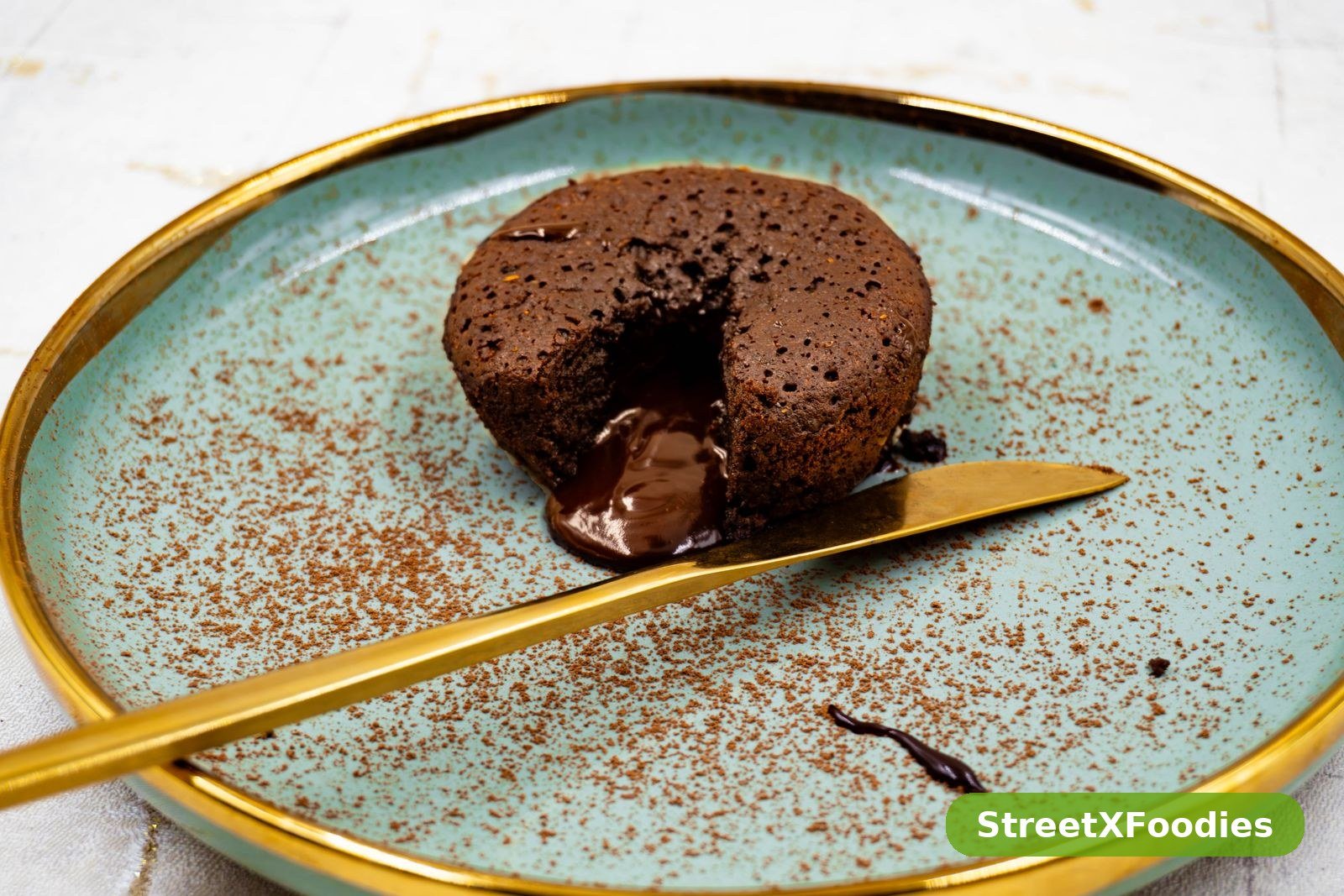
There is a moment, when you cut into a chocolate lava cake, that feels like pure theatre. The spoon breaks through the soft, dark cake, and the molten chocolate centre flows out slowly, pooling on the plate, and everyone at the table leans in a little closer. It is dramatic, it is indulgent, and it is one of the most satisfying desserts you will ever make at home. And the best part is that it is far easier than it looks.
I first made lava cakes for a dinner party, years ago, when I wanted a dessert that would impress my guests without keeping me in the kitchen all evening. I had heard that lava cakes were difficult, that they required precise timing and professional skill, and I was honestly a little nervous. Then I made them, and I realised the truth: a lava cake is essentially a small chocolate cake that you deliberately underbake, so the centre stays liquid. That is the whole secret. Once you understand that, the recipe becomes simple, forgiving, and wonderfully reliable.
What I love about lava cakes is how they make an ordinary evening feel special. They are individual, so everyone gets their own little cake, warm from the oven, with a scoop of ice cream melting slowly on top. They are quick — the batter comes together in about fifteen minutes, and the cakes bake in twelve — which means you can make them while your guests are finishing their main course. And they are deeply, intensely chocolatey, in a way that satisfies even the most serious chocolate lover.
This is my go-to recipe, the one I have made for birthdays, for Valentine’s Day, for dinner parties, and for quiet nights when only a molten chocolate cake will do. It uses good dark chocolate, real butter, and a simple method that works every time. If you have never made lava cakes before, do not be nervous. Follow the timing, trust the process, and you will be rewarded with a dessert that looks like it came from a restaurant and tastes like it came from someone who loves you.
Why You’ll Love This Recipe
The first reason to love these lava cakes is the drama of the molten centre. There is nothing quite like cutting into a warm cake and watching the chocolate flow out, and it never gets old, no matter how many times you make it. It is a dessert that makes people smile, and it turns a simple dinner into a memorable occasion. Children love it, adults love it, and even people who claim they are not dessert people will find themselves reaching for a spoon.
You will also love how quick and easy they are. The batter is made in one bowl, with no mixer required, and it comes together in about fifteen minutes. The cakes bake in twelve to fourteen minutes, which means you can go from deciding to make dessert to sitting down with a warm lava cake in less than half an hour. That is faster than ordering a takeaway, and infinitely more satisfying. And because the cakes are baked in individual ramekins, there is no slicing, no serving, no fuss — you just turn them out onto plates and serve them.
Then there is the flavour, which is rich, dark, and deeply chocolatey without being overly sweet. Good dark chocolate is the star here, and the recipe lets it shine. The cake part is soft and tender, almost like a brownie, and the molten centre is pure, liquid chocolate, warm and silky. A scoop of vanilla ice cream on top provides a cool, creamy contrast, and a dusting of cocoa or a few fresh berries adds a final touch of elegance. It is a dessert that is indulgent without being heavy, and sophisticated without being complicated.
Finally, lava cakes are wonderfully adaptable. You can make the batter ahead of time and keep it in the fridge, you can add a flavour twist like orange zest or espresso, and you can serve them in the ramekins or turned out onto plates. They are perfect for a dinner party, because you can prepare them in advance and bake them at the last minute, and they are perfect for a quiet night in, because the recipe makes just four cakes — enough for a small family, with no leftovers to worry about.
Ingredients You’ll Need
- 6 ounces good-quality dark chocolate, about 70 percent cocoa, chopped
- 1/2 cup unsalted butter, plus extra for greasing the ramekins
- 2 large eggs, at room temperature
- 2 large egg yolks, at room temperature
- 1/4 cup granulated sugar
- 2 tablespoons all-purpose flour
- 1 teaspoon vanilla extract
- 1/4 teaspoon salt
- 1 tablespoon cocoa powder, for dusting the ramekins
- Vanilla ice cream, for serving
- Fresh raspberries or strawberries, for serving
- Powdered sugar, for dusting
How to Make Chocolate Lava Cakes with Molten Centers
Start by heating your oven to 220 degrees Celsius, which is 425 degrees Fahrenheit, and preparing your ramekins. I use four six-ounce ramekins, which are the perfect size for an individual lava cake. Grease each ramekin generously with softened butter, making sure to coat the bottom and sides completely, and then dust the inside with cocoa powder, tapping out any excess. This butter and cocoa coating is what stops the cakes from sticking, and it is the reason you will be able to turn them out cleanly onto a plate. Place the prepared ramekins on a baking tray, which makes them easier to move in and out of the oven.
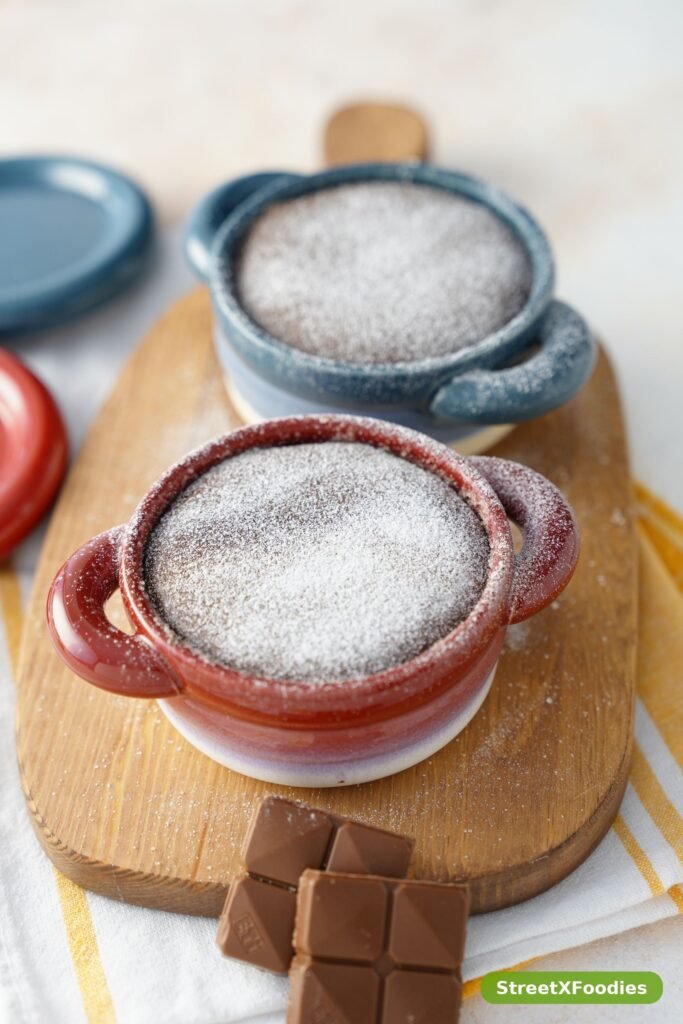
Now melt the chocolate and butter together, which is the foundation of the whole recipe. Put the chopped chocolate and the butter in a heatproof bowl, and melt them gently — either in the microwave in thirty-second bursts, stirring between each one, or over a pan of simmering water, making sure the bottom of the bowl does not touch the water. Stir the mixture until it is completely smooth and glossy, with no lumps of chocolate left. The smell at this stage is wonderful, rich and dark and inviting, and it is a good sign that you are on the right track. Set the bowl aside to cool for a few minutes, so it is warm rather than hot when you add the eggs.
In a separate large bowl, whisk the eggs, egg yolks, sugar, vanilla, and salt together until the mixture is pale, thick, and slightly frothy. This takes about two to three minutes by hand, and you are looking for a mixture that has lightened in colour and increased slightly in volume. The sugar should be mostly dissolved, and the mixture should feel smooth rather than gritty. Pour the warm chocolate mixture into the egg mixture in a slow stream, whisking constantly as you pour, so the eggs do not cook from the heat of the chocolate. Then add the flour, and fold it in gently with a spatula until it is just incorporated — do not overmix, because overmixing will make the cakes tough.
Divide the batter evenly between the prepared ramekins, filling each one about three-quarters full. The batter should be thick and glossy, and it should pour slowly rather than running. At this point, you can either bake the cakes immediately, or cover the ramekins with cling film and refrigerate them for up to twenty-four hours, which is a wonderful option if you are preparing for a dinner party. If you are baking them from the fridge, add two minutes to the baking time, and let them sit at room temperature for ten minutes before they go in the oven.
Bake the cakes for twelve to fourteen minutes, until the edges are firm and set but the centres still look soft and slightly jiggly when you gently shake the tray. This is the crucial moment, and it is the one that makes people nervous, but it is easier than it sounds. The top of each cake should look set and slightly cracked, like a brownie, and the sides should have pulled away very slightly from the ramekin. If you are unsure, it is better to underbake slightly than to overbake — an underbaked lava cake is still a delicious molten cake, while an overbaked one is just a small chocolate cake with no lava at all.
Take the cakes out of the oven and let them sit for exactly one minute. This short rest lets the edges firm up just enough to hold their shape when you turn them out, while the centres stay molten. Run a thin knife around the edge of each ramekin, place a small plate on top, and flip the ramekin and plate over together in one confident motion. Lift the ramekin off slowly — the cake should slide out cleanly, and if it does not, give it a gentle tap on the bottom. Dust the top with a little powdered sugar, add a scoop of vanilla ice cream and a few fresh berries, and serve immediately, while the centres are still warm and flowing.
If you want to understand the technique in more depth, this chocolate lava cake recipe from Serious Eats is an excellent guide, and it explains the science of the molten centre in a way that will give you confidence every time you bake these cakes.
Tips for the Best Chocolate Lava Cakes with Molten Centers
Use good-quality dark chocolate, because it is the main flavour in the cake and there is nowhere for poor chocolate to hide. A chocolate with about seventy percent cocoa is ideal — it is rich and dark without being bitter, and it melts into a smooth, glossy batter. Avoid chocolate chips, which contain stabilisers that stop them from melting smoothly, and avoid milk chocolate, which will make the cakes too sweet and will not give you that deep, dark flavour. A bar of good dark chocolate, chopped into small pieces, is the best choice.
Do not overbake the cakes, because that is the one mistake that will turn a lava cake into an ordinary chocolate cake. Set a timer, and check the cakes at twelve minutes. The edges should be set and the centres should still jiggle slightly — that jiggle is the molten chocolate, and it is exactly what you want. Every oven is slightly different, so the first time you make these, watch them carefully and note the exact time that works for your oven. Once you know your timing, you will be able to make them perfectly every time.
Grease and dust the ramekins properly, because a cake that sticks to the ramekin is a cake that will not turn out cleanly. Use softened butter, not melted butter, and coat every part of the inside, including the rim. Then dust with cocoa powder, not flour, because cocoa will not leave a white residue on the finished cakes. Tap out the excess cocoa, and make sure there are no bare patches. If you are nervous about turning the cakes out, you can also serve them in the ramekins, with a spoon — they will taste just as good, and nobody will mind.
Let the cakes rest for exactly one minute before you turn them out. Less than a minute, and they may be too soft to hold their shape. More than two minutes, and the residual heat will continue to cook the centres, and you will lose some of that glorious molten flow. One minute is the sweet spot, and it is worth setting a timer for it. And serve them immediately — lava cakes wait for no one, and the molten centre will start to firm up as the cake cools, so get them to the table while they are still warm and flowing.
Variations to Try
For a flavour twist, add a teaspoon of instant espresso powder to the melted chocolate, which deepens the chocolate flavour without making the cakes taste like coffee. Or add the zest of half an orange to the batter, for a classic chocolate-orange combination that is elegant and fragrant. A pinch of chilli powder or cayenne pepper gives the cakes a warm, spicy kick that is surprisingly delicious, and a tablespoon of liqueur — Grand Marnier, Kahlúa, or Amaretto — adds a sophisticated, grown-up note.
You can also hide a surprise in the centre of each cake. Drop a square of white chocolate, a spoonful of peanut butter, or a few raspberries into the middle of the batter before baking, and they will melt into a delicious surprise when the cake is cut open. A salted caramel centre, made by dropping a soft caramel into the batter, is particularly indulgent, and it pairs beautifully with the dark chocolate. These little twists make the cakes feel even more special, and they are a wonderful way to personalise the recipe for a special occasion.
For a different presentation, bake the cakes in a muffin tin instead of ramekins, using the same method but reducing the baking time by a minute or two. Or make mini lava cakes in small ramekins for a bite-size dessert that is perfect for a party buffet. If you love make-ahead desserts, this classic tiramisu with mascarpone cream is another elegant option that can be prepared the day before, and it uses a similar philosophy of simple ingredients and careful timing.
Serving Ideas
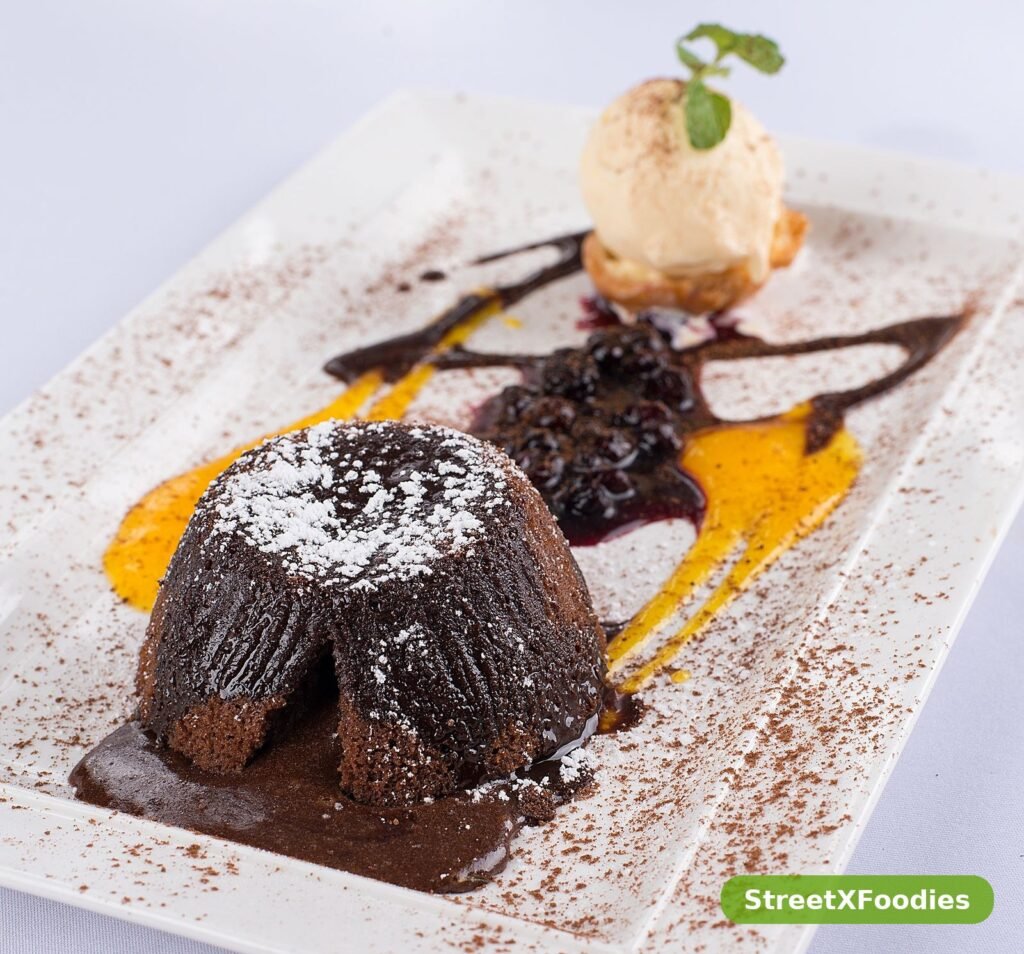
Lava cakes are at their best served warm, straight from the oven, with a scoop of vanilla ice cream melting slowly on top. The contrast between the warm, flowing chocolate and the cold, creamy ice cream is one of the great pleasures of this dessert, and it is the way I serve them almost every time. A few fresh raspberries or strawberries add colour and a tart contrast, and a dusting of powdered sugar makes the plate look like it came from a restaurant. A sprig of mint is a lovely final touch, if you have it.
For a dinner party, I like to serve lava cakes as the final course after a lighter main, because they are rich enough to feel indulgent but small enough not to overwhelm. They pair beautifully with a simple main course — if you are planning a full menu, these easy street food recipes at home make a fun, flavourful start, and the lava cakes provide a dramatic, chocolatey finish. A glass of dessert wine, a cup of coffee, or a small glass of port is lovely alongside, and a pot of tea works just as well.
If you are serving lava cakes for a special occasion, you can make the dessert even more memorable by serving them on warmed plates, with a drizzle of raspberry sauce or salted caramel around the edge of the plate. A little edible gold leaf, if you are feeling extravagant, will make them look truly spectacular. But honestly, a warm lava cake, a scoop of ice cream, and a few berries are all you really need — the cake itself is the star, and it does not need much help to shine.
Storage and Reheating
Lava cakes are best eaten fresh from the oven, and I would always recommend baking them just before serving if you possibly can. That said, the batter can be made ahead and stored in the fridge, which is the next best thing. Pour the batter into the prepared ramekins, cover them tightly with cling film, and refrigerate them for up to twenty-four hours. When you are ready to bake, let them sit at room temperature for ten minutes, then bake them as usual, adding two minutes to the baking time.
If you have baked lava cakes left over, which is rare in my house, you can store them in the fridge for up to two days in an airtight container. The centres will firm up as they cool, so they will not be molten when you reheat them, but they will still be delicious — more like a small, rich chocolate cake. To reheat, warm them gently in the microwave for twenty to thirty seconds, or in a low oven for five minutes, until they are warm all the way through. Serve them with ice cream, as usual, and nobody will mind that the centre is no longer flowing.
I do not recommend freezing baked lava cakes, because the texture suffers and the molten centre is lost. If you do want to freeze them, freeze the unbaked batter in the ramekins, wrapped tightly, for up to a month, then defrost them overnight in the fridge and bake them as usual. The results will be almost as good as fresh, and it is a handy trick if you want to have lava cakes ready to bake at a moment’s notice.
Frequently Asked Questions
How do I know when my lava cakes are done?
The cakes are done when the edges are firm and set, the tops look dry and slightly cracked, and the centres still jiggle slightly when you gently shake the tray. This usually takes twelve to fourteen minutes in a hot oven. If you are unsure, it is better to take them out a minute early than a minute late — an underbaked cake will still have a molten centre, while an overbaked cake will not. The first time you make them, check at twelve minutes and note the time that works for your oven.
Can I make lava cake batter ahead of time?
Yes, and it is one of the best things about this recipe. Make the batter, divide it between the prepared ramekins, cover them tightly with cling film, and refrigerate them for up to twenty-four hours. When you are ready to bake, let the ramekins sit at room temperature for ten minutes, then bake them as usual, adding two minutes to the baking time. This makes lava cakes perfect for a dinner party, because you can do all the preparation in advance and bake them at the last minute.
What can I use if I do not have ramekins?
You can use any small, oven-safe dish — a muffin tin, a small ceramic bowl, or even a heatproof teacup. A muffin tin works well, though you should reduce the baking time by a minute or two, because the cakes will be smaller. Make sure to grease and dust whatever dish you use, just as you would a ramekin, and let the cakes rest for a minute before turning them out. If you are using a muffin tin, you may find it easier to serve the cakes in the tin, with a spoon, rather than trying to turn them out.
Why did my lava cakes not have a molten centre?
The most common reason is overbaking. Even one extra minute in the oven can be enough to cook the centre through, so set a timer and check the cakes at twelve minutes. Another possibility is that your oven runs hot — try reducing the temperature by ten degrees next time, or baking for a minute less. Make sure you are using the correct size ramekins, too, because larger ramekins will need longer in the oven, and smaller ones will need less. And remember that the cakes continue to cook in the residual heat after you take them out, so let them rest for only one minute before turning them out.
Can I make lava cakes without eggs?
Eggs are important in this recipe, because they provide the structure that holds the cake together while the centre stays liquid. An eggless version is difficult to get right, though you can try using a commercial egg replacer or a mixture of yoghurt and baking powder. The results will be different — the cakes may be denser, and the molten centre may be less pronounced — but they can still be delicious. If you need an eggless chocolate dessert, a chocolate mousse or a flourless chocolate cake might be a better choice. For more dessert ideas, these easy lemon bars with shortbread crust are egg-based but simple, and the King Arthur guide to chocolate lava cakes has helpful notes on the role of eggs in the recipe.
What should I serve with chocolate lava cakes?
Vanilla ice cream is the classic accompaniment, and it is my first choice every time. The cold, creamy ice cream against the warm, flowing chocolate is a perfect contrast, and it is hard to beat. Fresh berries, whipped cream, and a dusting of powdered sugar are also wonderful. For a more elaborate presentation, serve the cakes with a raspberry sauce, a salted caramel sauce, or a spoonful of crème fraîche. And if you are planning a full menu, these quick street food recipes with simple ingredients are a great way to start the evening before a rich chocolate finish.