
Easy Lemon Bars with Shortbread Crust
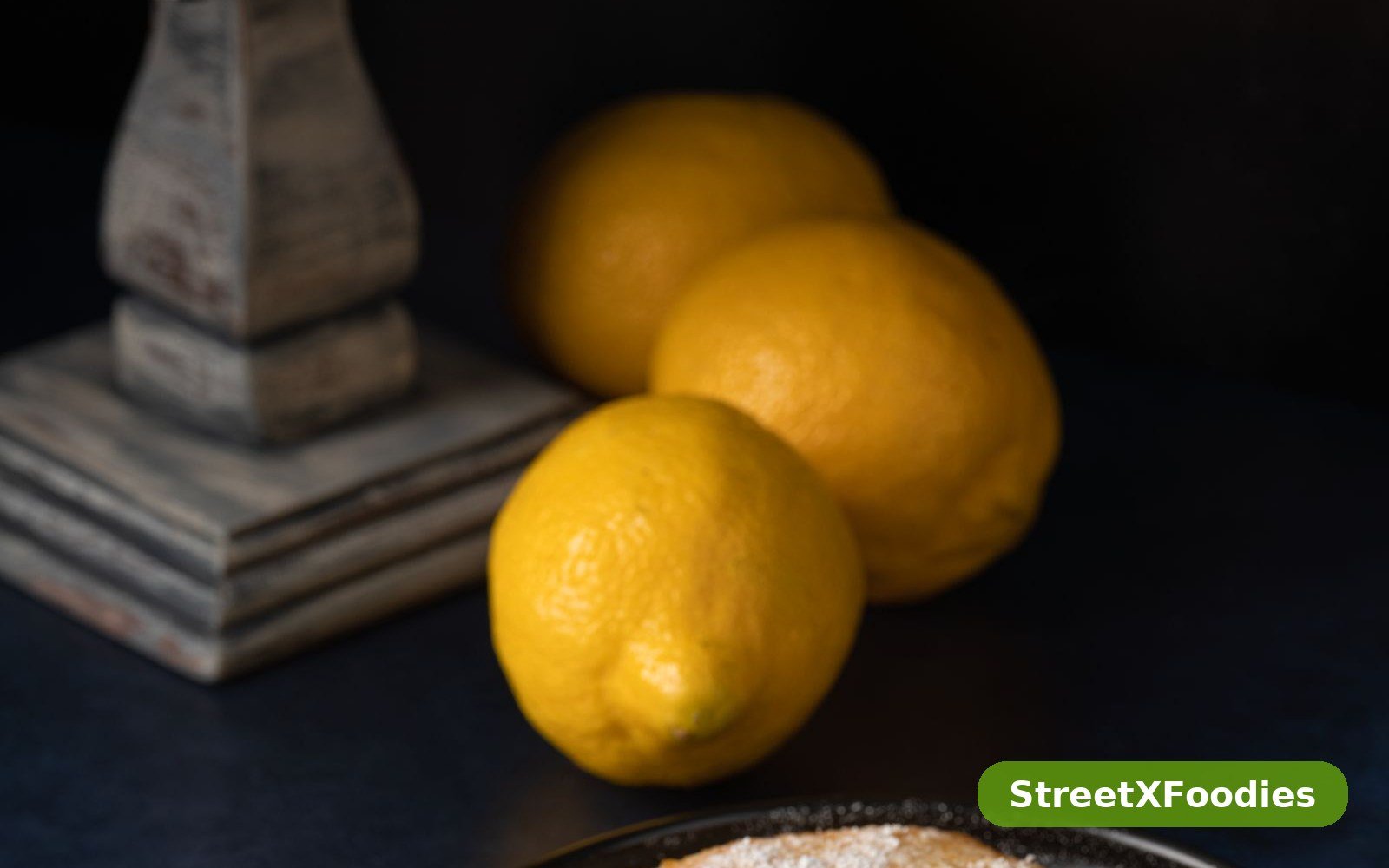
There is a particular kind of happiness that comes from biting into a good lemon bar. First there is the buttery shortbread crust, crumbly and tender, then the lemon filling — bright, tangy, just sweet enough — and finally that little dusting of powdered sugar on top that makes the whole thing look like it came from a bakery. It is a simple dessert, but it is one of those simple things that is very easy to get wrong and very rewarding when you get it right.
I started making lemon bars because my grandmother used to make them, and the smell of them baking takes me straight back to her kitchen. She would make a big pan on a Sunday afternoon, and we would eat them warm, with the powdered sugar still melting slightly into the lemon filling, and she would pretend not to notice when we went back for a second piece. I have been chasing that exact taste ever since, and after many years of tweaking, this is the version that finally tastes like I remember it — bright, buttery, and not too sweet.
What I love about lemon bars is how little they ask of you. You do not need a mixer, you do not need any special equipment, and you do not need to be an experienced baker. You press a simple shortbread crust into a pan, whisk together a lemon filling in a bowl, pour it over the crust, and bake it. That is the whole recipe. And yet the result is a dessert that looks elegant, tastes sophisticated, and disappears from the plate faster than almost anything else I bake.
If you have never baked lemon bars before, this is the perfect recipe to start with. It is forgiving, it is straightforward, and it uses ingredients you probably already have in your kitchen. And if you have made lemon bars before and been disappointed — too sweet, too runny, a soggy crust — then I think this version will win you over. The crust is baked first so it stays crisp, the filling is balanced so the lemon shines through, and the whole thing sets up beautifully in the fridge.
Why You’ll Love This Recipe
The first reason to love these lemon bars is the balance of flavours. So many lemon desserts are either too sweet, with the lemon barely detectable, or too sour, with a filling that makes your mouth pucker. This recipe sits right in the middle: the lemon is bright and unmistakable, the sugar is just enough to round off the sharp edges, and the buttery shortbread crust adds a rich, mellow base that ties everything together. Every bite has a little of each element, and none of them overpowers the others.
You will also love how easy they are to make. The crust is just flour, butter, sugar, and salt, pressed into a pan with your fingers — no rolling pin, no pastry skills required. The filling is eggs, sugar, lemon juice, lemon zest, and a little flour, whisked together in a bowl in about two minutes. There is no fussy technique here, no tempering, no water bath, no special equipment. If you can stir and press, you can make these lemon bars, and that is a wonderful thing about them.
Then there is the texture, which is honestly the best part. The shortbread crust is tender and crumbly, with a slight crunch at the edges, and the lemon filling sets into a soft, silky layer that is firm enough to slice cleanly but still melts in your mouth. The powdered sugar on top adds a final, delicate sweetness, and the whole bar holds together beautifully when you pick it up. It is a dessert that is as satisfying to eat as it is to look at.
Finally, lemon bars are wonderfully versatile. They are perfect for a picnic, because they travel well and do not need refrigeration for a few hours. They are perfect for a bake sale, because they are easy to make in large batches and they always sell out. They are perfect for afternoon tea, for a birthday, for a potluck, or for a quiet evening at home when you just want something sweet and bright. Once you have made them once, you will find yourself making them again and again, for every occasion and for no occasion at all.
Ingredients You’ll Need
- 1 cup unsalted butter, softened, plus more for greasing the pan
- 2 cups all-purpose flour, divided
- 1/2 cup powdered sugar, plus extra for dusting
- 1/4 teaspoon salt
- 4 large eggs, at room temperature
- 1 1/2 cups granulated sugar
- 1 tablespoon lemon zest, from about 2 lemons
- 2/3 cup freshly squeezed lemon juice, from about 4 lemons
- 1/4 cup all-purpose flour, for the filling
- 1/2 teaspoon baking powder
- 1 teaspoon vanilla extract, optional
How to Make Easy Lemon Bars with Shortbread Crust
Start by heating your oven to 175 degrees Celsius, which is 350 degrees Fahrenheit, and preparing your pan. I use a 9 by 13 inch baking pan, lined with parchment paper so that the paper hangs over the sides like handles — this makes it easy to lift the finished lemon bars out of the pan for slicing, and it means you never have to wrestle with a stuck corner. Lightly grease the parchment with a little butter, and set the pan aside while you make the crust.
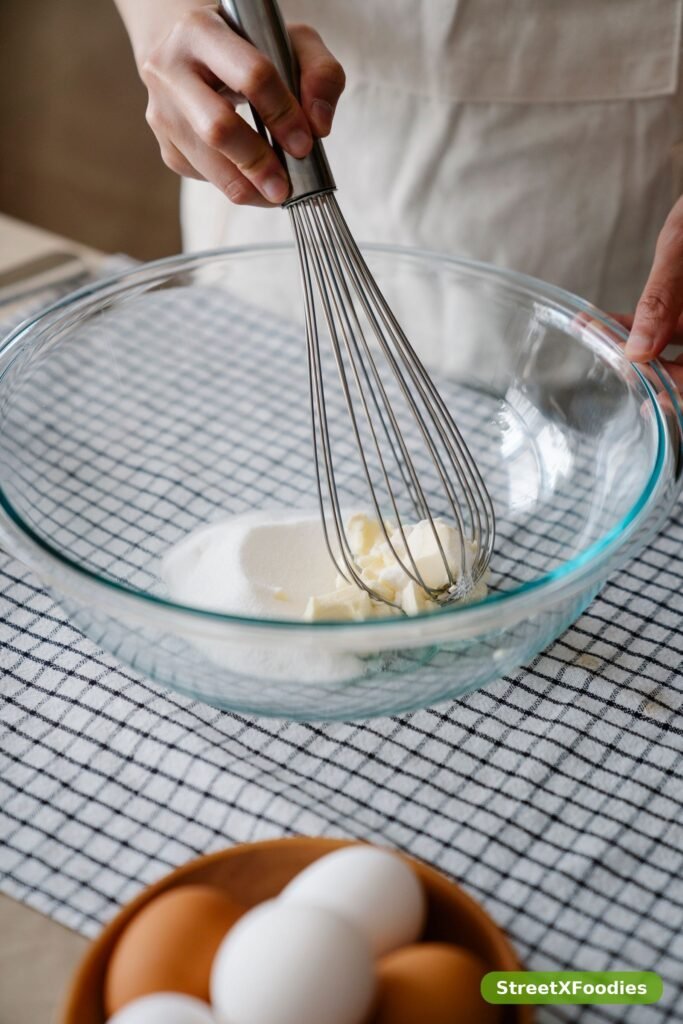
To make the shortbread crust, combine two cups of flour, half a cup of powdered sugar, and a quarter teaspoon of salt in a large bowl, and stir them together. Add the softened butter, and work it into the flour mixture with your fingers, a pastry cutter, or a fork, until the mixture looks like coarse crumbs and holds together when you squeeze a handful. It should feel a little like damp sand, and it should not be too wet or too dry. If the butter is very soft, the mixture may come together more quickly, and that is fine — just do not overwork it, because overworked shortbread can turn tough.
Tip the crumb mixture into the prepared pan and press it down firmly and evenly, using the bottom of a glass or the flat of your hand to get a smooth, level layer that reaches right into the corners. The crust should be about a quarter of an inch thick, and it should be evenly pressed — if it is thicker in some places than others, it will bake unevenly. Use a fork to prick the crust all over, which stops it from puffing up in the oven, and bake it for eighteen to twenty minutes, until the edges are just starting to turn a pale golden colour and the centre looks set. The kitchen will start to smell like butter and sugar, which is always a good sign.
While the crust is baking, make the lemon filling. In a large bowl, whisk the eggs and granulated sugar together until they are well combined and slightly pale, which takes about a minute. Add the lemon zest and lemon juice, and whisk again — the mixture will smell wonderful, bright and citrusy. Then add the quarter cup of flour and the baking powder, and whisk until there are no lumps left. The flour is important here, because it is what helps the filling set properly, so make sure it is fully incorporated. If you are using vanilla, stir it in now.
When the crust comes out of the oven, turn the oven temperature down to 165 degrees Celsius, which is 325 degrees Fahrenheit, and pour the lemon filling over the hot crust in a slow, even stream. The crust should still be warm when the filling goes on, because that helps the two layers bond together and stops the crust from getting soggy. Put the pan back in the oven and bake for twenty to twenty-five minutes, until the filling is set around the edges but still has a very slight wobble in the centre when you gently shake the pan. That slight wobble is exactly right — the filling will continue to set as it cools, and if you bake it until it is completely firm in the oven, it will be overbaked by the time it cools.
Take the pan out of the oven and let it cool completely on a wire rack, which takes about an hour. Then cover the pan and put it in the fridge for at least two hours, or overnight if you can. This chilling time is what gives you clean, neat slices and a filling that is firm but still silky. When you are ready to serve, lift the whole slab out of the pan using the parchment handles, and dust the top generously with powdered sugar using a fine sieve. Cut it into squares with a sharp knife, wiping the blade clean between cuts, and serve the bars cold or at room temperature. For a deeper look at the science of a good lemon filling, this lemon bars recipe from King Arthur Baking is a helpful read, and it explains why the balance of lemon and sugar matters so much.
Tips for the Best Easy Lemon Bars with Shortbread Crust
Use fresh lemons, not bottled lemon juice, because the difference in flavour is enormous. Bottled lemon juice tastes flat and slightly metallic, while fresh lemon juice is bright, fragrant, and full of life. You will need about four lemons for this recipe, and you should zest them before you juice them — it is almost impossible to zest a lemon after you have squeezed it. Roll each lemon firmly on the counter before you cut it, which helps release the juice, and use a fine grater for the zest, taking only the yellow part and leaving the bitter white pith behind.
Do not skip the step of baking the crust first. A crust that is baked before the filling goes on will stay crisp and buttery, while a crust that is filled raw will absorb moisture from the filling and turn soggy. The pre-bake only takes eighteen minutes, and it is the single most important step for a good lemon bar. Make sure the crust is evenly pressed and pricked all over with a fork, so it bakes flat and does not puff up in the middle.
Let the bars cool completely and chill them before you slice them. I know it is tempting to cut into them while they are still warm — the smell is wonderful, and the filling looks so inviting — but warm lemon bars will not slice cleanly, and the filling will ooze out. A couple of hours in the fridge makes all the difference, and overnight is even better. When you do slice them, use a sharp knife, wipe it clean between cuts, and dust the powdered sugar on after slicing, not before, so it stays white and pretty.
Finally, be careful not to overbake the filling. The filling should be set at the edges and just barely wobbly in the centre when you take it out of the oven. It will firm up as it cools, and if you wait until it is completely firm in the oven, it will be dry and rubbery by the time you serve it. Trust the wobble — it is the sign of a perfectly baked lemon bar, and it is far better to underbake slightly than to overbake.
Variations to Try
If you love lime, make lime bars instead, using the same recipe but swapping the lemon juice and zest for lime. Lime bars are a little more tart and a little more exotic, and they are wonderful with a sprinkle of toasted coconut on top. You can also make a mixed citrus version, using half lemon and half orange juice, which gives you a sweeter, more fragrant filling that children tend to love. Grapefruit works too, though it is more bitter, so you may want to add an extra tablespoon or two of sugar.
For a richer version, add a tablespoon of melted butter to the filling, or fold in a little cream cheese for a cheesecake-like texture. A lemon bar with a cream cheese layer in the middle — a layer of sweetened cream cheese spread over the crust before the lemon filling goes on — is a beautiful twist that adds richness and a lovely marbled effect. Or top the finished bars with a thin layer of lemon curd for an extra burst of citrus flavour.
You can also make these bars in a smaller pan for thicker bars, or in a muffin tin for individual portions. For individual bars, press the crust into lined muffin cups, bake for ten minutes, add the filling, and bake for another twelve to fifteen minutes. They make lovely single servings for a party, and they are easy to pack for a picnic. If you enjoy fruity desserts, these air fryer baked apples with cinnamon and oats are another simple, comforting option, and they use the same kind of warm, homely flavours.
Serving Ideas
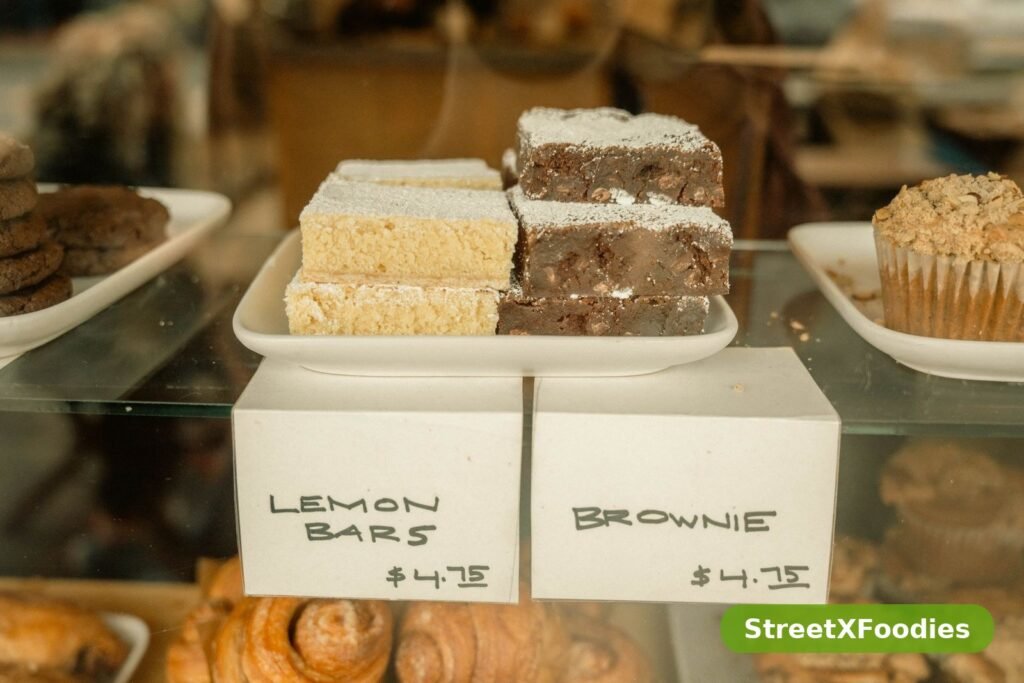
Lemon bars are at their best served cold or at room temperature, with a dusting of powdered sugar and, if you like, a few fresh berries on the side. Raspberries and blueberries are particularly lovely with lemon, because their sweetness balances the tartness, and their colour makes the plate look beautiful. A dollop of lightly sweetened whipped cream is also wonderful, though the bars are rich enough on their own that you do not really need it.
For afternoon tea, serve lemon bars alongside a pot of Earl Grey or chamomile tea, and a plate of shortbread or butter cookies. The citrus flavour of the bars pairs beautifully with tea, and the combination feels elegant without being fussy. For a summer party, serve them with lemonade or iced tea, and a bowl of fresh fruit. They are also a wonderful dessert after a rich, savoury meal — after something like homemade cheesy street food fries, a bright, tangy lemon bar is the perfect refreshing finish, and the contrast is delightful.
If you are serving lemon bars at a larger gathering, arrange them on a pretty platter in neat rows, dust them with powdered sugar just before serving, and garnish the platter with thin slices of lemon and a few mint leaves. They look beautiful, they are easy for guests to pick up and eat, and they always disappear quickly. Make a double batch if you are expecting a crowd — you will be glad you did.
Storage and Reheating
Lemon bars keep very well in the fridge, which makes them a great make-ahead dessert. Store them in an airtight container, with sheets of parchment paper between the layers if you are stacking them, and they will keep for up to a week in the fridge. They actually taste better on the second day, when the lemon flavour has had time to deepen and the filling has firmed up completely. Let them come to room temperature for about fifteen minutes before serving, or serve them cold — both are delicious.
You can also freeze lemon bars, which is handy if you want to make a large batch and save some for later. Cut them into squares, wrap each square individually in cling film, and place them in a freezer-safe container or bag. They will keep for up to three months in the freezer. To serve them, defrost them overnight in the fridge, or leave them on the counter for an hour or two, and dust them with fresh powdered sugar before serving. The texture after freezing is almost as good as fresh, though the crust may be very slightly softer.
There is no reheating involved with lemon bars, and you should not try to warm them up in the oven or microwave, as the filling will soften and the powdered sugar will melt. If you prefer them at room temperature, simply take them out of the fridge fifteen minutes before serving. And if you have any leftover lemon juice or zest, freeze it in ice cube trays for future baking — it is a wonderful way to make sure nothing goes to waste.
Frequently Asked Questions
Why is my lemon bar filling runny?
A runny filling is usually caused by underbaking, or by not using enough flour in the filling. Make sure you are using the full quarter cup of flour, and bake the bars until the edges are set and the centre has only a slight wobble. If the filling is still runny after baking, it may be that your oven runs cool — try increasing the temperature by ten degrees next time, or baking for an extra five minutes. And always let the bars chill in the fridge for at least two hours, because the filling continues to set as it cools.
Can I use bottled lemon juice for lemon bars?
You can, but I would not recommend it. Bottled lemon juice tastes flat and slightly bitter compared to fresh lemon juice, and the flavour of the bars will suffer. Fresh lemons are not expensive, and the difference they make is enormous — the zest, in particular, adds a fragrant, floral note that bottled juice simply cannot replicate. If you absolutely must use bottled juice, add an extra teaspoon of zest from a fresh lemon, if you have one, to help lift the flavour.
How do I stop my shortbread crust from getting soggy?
The key is to bake the crust before you add the filling, and to pour the filling onto the hot crust. A pre-baked crust is firm and crisp, and it resists absorbing moisture from the filling. Make sure the crust is evenly pressed and fully baked — it should be a pale golden colour at the edges before the filling goes on. And do not let the finished bars sit in the pan for too long after baking, because condensation can make the crust damp. Cool them on a wire rack, and store them in the fridge in an airtight container.
Can I make lemon bars ahead of time?
Yes, lemon bars are an excellent make-ahead dessert. You can make them up to three days before you plan to serve them, and store them in the fridge in an airtight container. They actually taste better after a day or two, when the flavours have had time to meld. Wait until just before serving to dust them with powdered sugar, so the sugar stays white and pretty. You can also freeze them for up to three months, as described in the storage section above.
What is the best pan to use for lemon bars?
A 9 by 13 inch metal baking pan is ideal, because metal conducts heat evenly and gives you a crisp crust. A glass pan will also work, though you may need to add a few extra minutes to the baking time, because glass heats more slowly. Avoid a very dark pan, which can cause the crust to brown too quickly. Whatever pan you use, line it with parchment paper with overhanging handles, so you can lift the bars out easily for slicing. For more baking inspiration, this classic tiramisu with mascarpone cream is another make-ahead dessert that is perfect for parties, and the BBC’s lemon drizzle cake is a lovely alternative if you love lemon baking.
Can I reduce the sugar in lemon bars?
You can reduce the sugar in the filling by a quarter of a cup, though the bars will be noticeably more tart. I would not reduce it by more than that, because the sugar is not just for sweetness — it also helps the filling set properly and balances the acidity of the lemon juice. If you prefer a less sweet dessert, you can also leave off the powdered sugar dusting, which will reduce the overall sweetness without affecting the texture. And if you are serving a crowd, these easy homemade chicken loaded fries make a fun savoury contrast to the sweet, tangy bars.