
One-Pan Creamy Spinach and Artichoke Pasta
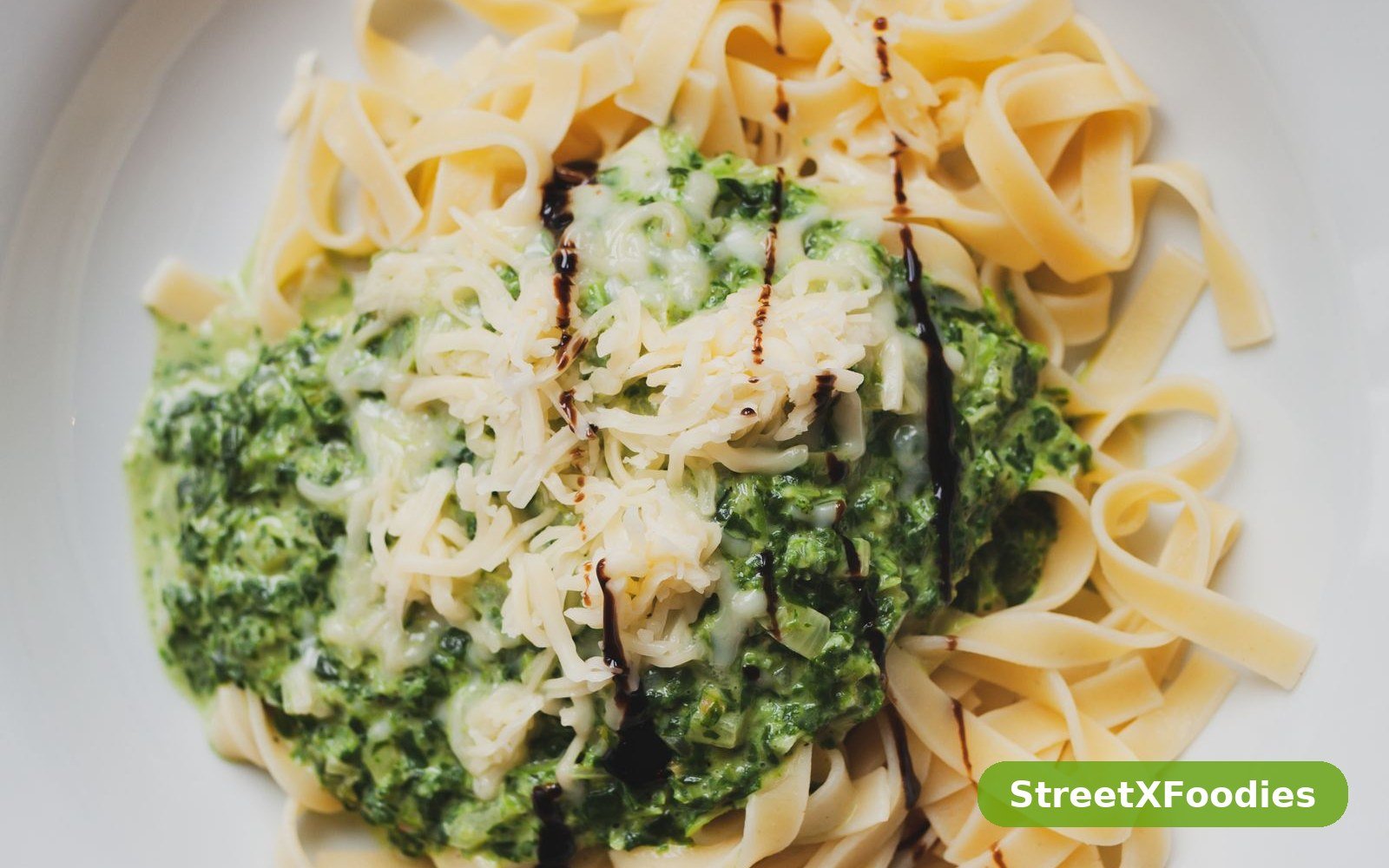
Some dinners are born out of a plan, and some are born out of an almost-empty fridge and a very hungry family. This creamy spinach and artichoke pasta belongs firmly in the second group, and it has become one of my most-requested meals anyway. I remember the evening clearly: I had a bag of spinach that needed using, a jar of artichoke hearts at the back of the cupboard, half a block of cream cheese, and a box of pasta. I threw them together in one pan, half expecting a perfectly ordinary dinner, and instead I ended up with something so good that my family asked for it again the very next week.
That is the thing about spinach and artichoke dip — the flavours are already a proven combination, rich and garlicky and cheesy, with that lovely tang from the artichokes cutting through the creaminess. Turning it into a pasta dinner was not a stroke of genius so much as a stroke of common sense. The pasta cooks right in the sauce, soaking up flavour as it goes, and the starch it releases helps the sauce turn silky without any fuss or extra thickeners. It tastes like comfort food and it eats like a proper meal, with actual vegetables in it, which makes me feel a little less guilty about the second helping.
I make this on nights when I want something that feels a bit special but I do not have the energy for a complicated recipe. It is a one-pan dinner, it takes about half an hour from start to finish, and it uses mostly pantry and fridge staples. The spinach wilts down into the sauce, the artichokes go soft and tangy, the garlic and Parmesan do their usual magic, and the whole thing comes together into a creamy, golden pan of pasta that looks like it came from a restaurant and tastes like it came from someone who really cares about feeding people well.
If you have ever stood in front of the fridge at six o clock wondering what on earth to cook, keep this recipe in your back pocket. It is forgiving, it is fast, it is endlessly adaptable, and it has saved more of my weeknights than I can count. And if you have children who claim they do not like spinach, this is the dish that might just change their minds — the spinach hides in the creamy sauce in the best possible way.
Why You’ll Love This Recipe
The first reason to love this pasta is the obvious one: it is all made in one pan. You sauté the garlic, wilt the spinach, cook the pasta in the broth and cream, and finish the sauce, all without ever touching a colander or a second pot. The pasta water, which you would normally pour down the sink, stays in the pan and becomes part of the sauce, giving it body and a beautiful silky texture. Fewer dishes, better sauce — it is hard to argue with that.
The second reason is the flavour. This is not a bland, pale creamy pasta. The garlic is cooked until fragrant, the artichokes bring a bright, briny tang, the Parmesan adds a salty, nutty depth, and a squeeze of lemon at the end lifts the whole dish. The spinach, which wilts down to almost nothing, adds an earthy sweetness that balances the richness. Every mouthful has something going on — creamy, tangy, garlicky, cheesy — and nothing about it tastes like a shortcut, even though it is one.
You will also love how quick it is. From the moment you put the pan on the heat to the moment you are sitting down to eat, you are looking at about thirty minutes, and most of that time the pasta is simply simmering away while you tidy the kitchen or set the table. It is the kind of recipe that fits real life, where dinner needs to happen between work and homework and everything else, and it still feels like a proper, cooked-from-scratch meal.
Finally, it is a wonderfully adaptable recipe. You can add chicken, leave out the artichokes, swap the spinach for kale, or use whatever pasta shape you have in the cupboard. It works as a meat-free main course, it works as a side dish, and it works as a base for leftovers. Once you have made it a couple of times, you will start to make it your own without even thinking about it, which is the mark of a recipe that truly belongs in your regular rotation.
Ingredients You’ll Need
- 12 ounces penne, rigatoni, or fusilli pasta
- 5 ounces fresh baby spinach, about 5 big handfuls
- 1 can (14 ounces) artichoke hearts, drained and roughly chopped
- 4 cloves garlic, thinly sliced
- 1 small yellow onion, finely diced
- 3 cups low-sodium vegetable or chicken broth
- 1 cup heavy cream
- 4 ounces cream cheese, cut into cubes and softened
- 3/4 cup freshly grated Parmesan cheese, plus extra for serving
- 2 tablespoons olive oil
- 1 tablespoon butter
- 1 teaspoon Italian seasoning
- 1/2 teaspoon red pepper flakes, plus more to taste
- 1/2 teaspoon kosher salt, plus more to taste
- 1/2 teaspoon black pepper
- 1/4 teaspoon freshly grated nutmeg, optional but lovely
- Zest and juice of half a lemon
- Fresh basil or parsley, chopped, for serving
How to Make One-Pan Creamy Spinach and Artichoke Pasta
Start by preparing your ingredients, because this recipe moves quickly once the pan is hot. Drain and chop the artichoke hearts, slice the garlic, dice the onion, and grate the Parmesan if you are using a block — freshly grated Parmesan melts far more smoothly than the pre-grated kind, which can turn grainy in a cream sauce. Cut the cream cheese into cubes so it melts quickly, and have the broth and cream measured and ready to pour. The spinach can go in straight from the bag, and you do not need to chop it, because it wilts down so much.
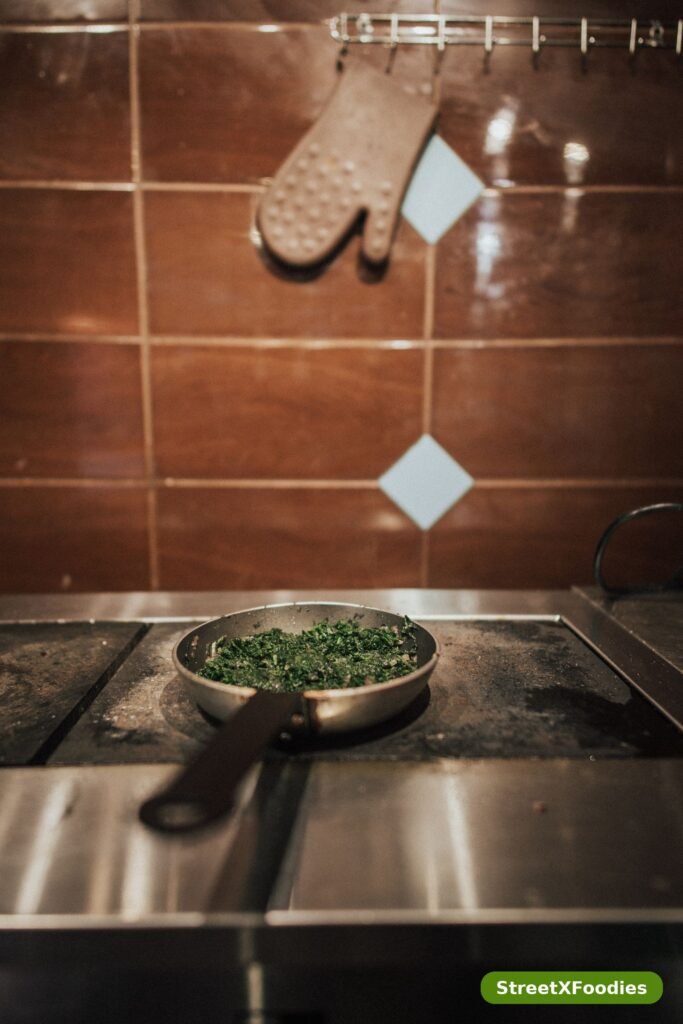
Warm the olive oil and butter in a large, deep skillet or a wide shallow pot over medium heat. When the butter has melted and is just starting to foam, add the diced onion and cook it gently for three to four minutes, until it is soft and translucent. Add the sliced garlic and the red pepper flakes, and cook for another minute, stirring constantly, until the garlic smells fragrant and sweet. Garlic burns quickly, so keep the heat moderate here and do not walk away — a minute of inattention is all it takes to turn sweet garlic bitter, and bitter garlic will haunt the whole pan.
Add the artichoke hearts and the Italian seasoning, and cook for two minutes, letting the artichokes pick up a little colour and warmth. Then add the spinach, a handful at a time, stirring it through until each handful wilts down before you add the next. It looks like an impossible amount of spinach at first, a great green mountain in the pan, but it collapses down to almost nothing within a couple of minutes. This is one of my favourite moments in cooking, watching that huge pile of leaves turn into a small, dark green tangle that is ready to disappear into the sauce.
Pour in the broth and the heavy cream, and bring the mixture to a gentle simmer, scraping the bottom of the pan to lift up any browned bits. Add the pasta, making sure it is mostly submerged in the liquid, and season with the salt, black pepper, and nutmeg. Turn the heat down to medium-low, put the lid on, and let the pasta cook for twelve to fourteen minutes, stirring every three or four minutes so the pasta does not stick to the bottom of the pan. The pasta will absorb the liquid as it cooks, and the sauce will thicken naturally as the starch is released, so do not worry if it looks a little thin at first — it comes together in the last few minutes.
When the pasta is just tender — taste a piece, because packet times are only a guide — turn the heat down to low and add the cubes of cream cheese, stirring gently until they melt completely into the sauce. Then add the grated Parmesan, a handful at a time, stirring after each addition until it has melted before you add the next. This slow, patient approach is what gives you a smooth, glossy sauce instead of a clumpy one. If the sauce looks too thick at this point, add a splash of broth or a little hot water, a tablespoon at a time, until it loosens to a silky consistency that coats the pasta rather than sitting on top of it.
Take the pan off the heat and stir in the lemon zest and lemon juice. The lemon might seem like a small detail, but it is the thing that makes the whole dish taste bright and alive instead of heavy. Taste the pasta and adjust the seasoning — a little more salt, a little more Parmesan, a pinch more red pepper flakes if you like heat. Let the pasta rest for two or three minutes before serving, so the sauce can settle and cling to every piece. Serve it in warm bowls, scattered with extra Parmesan and chopped fresh basil or parsley, and pass the pepper grinder around the table.
If you would like to understand how a good cream sauce is built from the ground up, the pasta recipes in this BBC Good Food pasta collection are a wonderful place to browse, and they show just how many directions a simple pan of pasta can go in.
Tips for the Best One-Pan Creamy Spinach and Artichoke Pasta
Use freshly grated Parmesan if you possibly can, because it makes a genuine difference to the sauce. Pre-grated Parmesan is coated in anti-caking agents that stop it from melting smoothly, and in a cream sauce that can mean a grainy, slightly gritty texture. A small block of Parmesan and a box grater take less than a minute, and the result is a sauce that is noticeably silkier and more flavourful. The same goes for the cream cheese: let it come to room temperature before you start, so it melts quickly and evenly.
Do not overcook the pasta. Because it finishes cooking in the sauce and keeps cooking in the residual heat after you take the pan off the stove, you want to stop when it is just tender, with the tiniest bit of bite left in the middle. If you cook it until it is completely soft in the pan, it will turn mushy by the time it reaches the table. Taste a piece at twelve minutes, and trust your own mouth more than the time on the packet.
Stir the pasta regularly while it simmers, but gently. Pasta cooking in a shallow pan of sauce is much more likely to stick than pasta cooking in a big pot of water, so a stir every three or four minutes is essential. Use a wooden spoon and scrape the bottom of the pan, especially around the edges where the pasta tends to settle. If the liquid seems to be disappearing too fast before the pasta is done, add a splash of broth or hot water — it is far better to add a little liquid than to end up with pasta that is stuck and undercooked.
Finally, do not skip the lemon. Creamy pasta can easily become heavy and one-note, and a little acid is what keeps it balanced and makes you want a second helping. Lemon zest adds fragrance without much sourness, and the juice adds brightness. If you do not have a lemon, a splash of white wine vinegar or a spoonful of the brine from the artichoke jar can do a similar job in a pinch, though lemon is my first choice every time.
Variations to Try
For a heartier version, add cooked chicken. Leftover roast chicken, shredded and stirred in at the end, is perfect here, and it turns the pasta into a complete one-pan meal with plenty of protein. If you want to cook the chicken fresh, dice a couple of boneless chicken breasts or thighs, brown them in the pan before you cook the onion, and set them aside to add back in with the Parmesan. The chicken picks up all the garlicky, creamy flavour of the sauce, and it is a great way to use up leftovers.
If you are not a fan of artichokes, you can leave them out and add a cup of sliced mushrooms instead, cooked with the onion until they are golden. Or add a handful of sun-dried tomatoes, chopped, for a sweet, tangy contrast that works beautifully with the spinach. A cup of frozen peas stirred in with the Parmesan adds colour and sweetness, and children tend to love them. The base sauce is so forgiving that you can swap the vegetables around almost endlessly.
For a lighter version, use half-and-half instead of heavy cream and reduce the cream cheese to two ounces, adding a little extra Parmesan for flavour. The sauce will be slightly thinner, but still creamy and satisfying, especially if you let the pasta cook a minute longer so more starch is released. You can also swap the baby spinach for chopped kale, though kale needs a few extra minutes to soften, so add it with the onion rather than later. And if you like a little heat, this pasta pairs beautifully with a crispy chicken quesadilla on the side for a Tex-Mex-inspired dinner.
Serving Ideas
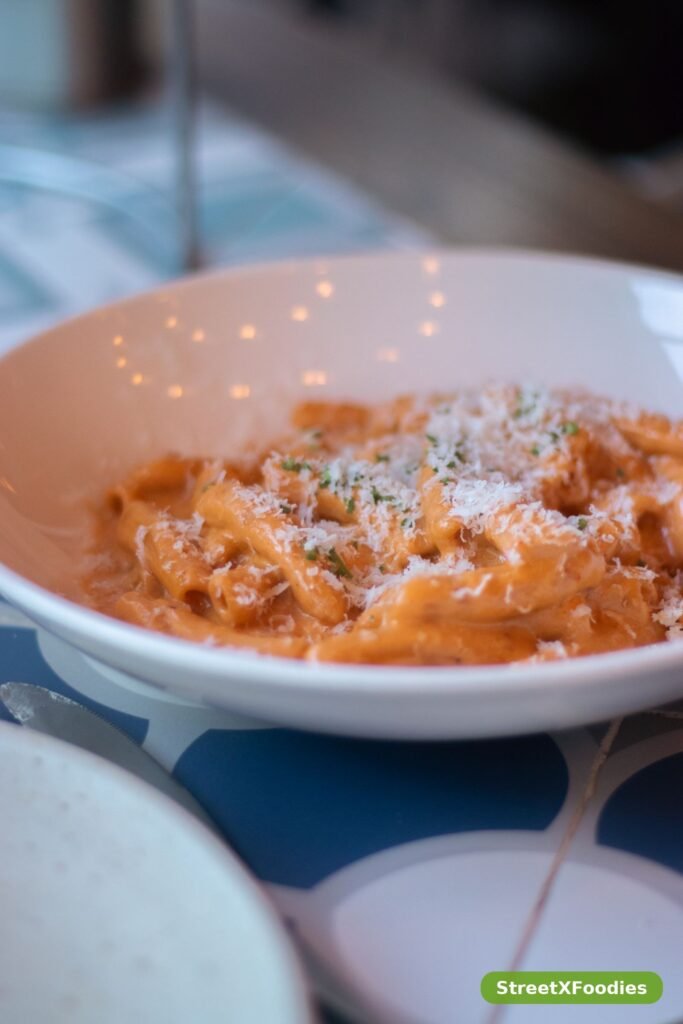
This pasta is a meal in itself, but it loves a little company. A simple green salad with a lemon vinaigrette is the perfect partner, because the sharp dressing cuts through the richness of the cream sauce. Warm garlic bread, or a crusty baguette for mopping up the sauce, is almost mandatory in my house — nobody wants to leave a drop of that creamy sauce behind in the bowl. A glass of white wine, or a sparkling lemonade for the children, rounds the meal out nicely.
For a bigger gathering, I like to serve this pasta alongside a platter of homemade crispy chicken bites, which add a crunchy, savoury contrast to the soft, creamy pasta. Or, if you are planning a full spread, a baked chicken cordon bleu with Dijon sauce makes an elegant main course with the pasta as a rich side dish. The pasta also works beautifully as part of a buffet, kept warm in a low oven with a splash of cream stirred through just before serving.
Storage and Reheating
Leftover creamy pasta will keep in the fridge for up to three days in an airtight container, though I will be honest and say it is at its absolute best on the day it is made. Cream sauces thicken as they cool, and the pasta continues to absorb liquid, so the leftovers will look much thicker and drier than they did when they were fresh. That is completely normal, and it is easy to fix when you reheat it.
To reheat, put the pasta in a pan over a low heat with a generous splash of milk, cream, or broth — about two tablespoons per serving — and warm it gently, stirring often, until it is hot all the way through. The extra liquid loosens the sauce back to a silky consistency. In the microwave, heat it in short bursts, stirring between each one, and add a splash of milk if it looks dry. Avoid reheating it on a high heat, which can cause the cream sauce to split and turn grainy.
I do not recommend freezing this pasta, because cream sauces and cooked pasta both suffer in the freezer. The sauce can split when it thaws, and the pasta can turn soft and mushy. If you do need to freeze it, freeze it in single portions, defrost it overnight in the fridge, and reheat it very gently with a splash of cream, whisking as you go to bring the sauce back together. It will not be quite as good as fresh, but it will still be a perfectly decent lunch.
Frequently Asked Questions
Can I use frozen spinach instead of fresh spinach?
Yes, frozen spinach works well, and it is a great pantry standby. Defrost it completely and squeeze out as much water as you possibly can before you add it to the pan — a handful at a time, squeezing hard over the sink. If you skip this step, the extra water will thin the sauce and make the pasta watery. Use about ten ounces of frozen spinach to replace five ounces of fresh, and add it after the artichokes, cooking it for a couple of minutes before you pour in the broth.
What pasta shape works best for this recipe?
Short, sturdy shapes with ridges or curves are best, because they hold the creamy sauce in all their nooks and crannies. Penne, rigatoni, fusilli, and farfalle are all excellent choices. I would avoid long, thin shapes like spaghetti or angel hair, because they tend to clump together when cooked in a shallow pan of sauce, and they are harder to stir without breaking. If you only have spaghetti, break it in half before adding it, and stir it very gently.
Can I make this pasta without cream cheese?
You can, though the cream cheese is what gives the sauce its lovely tang and body. If you leave it out, increase the heavy cream by half a cup and add an extra quarter cup of Parmesan, and let the sauce simmer for a couple of extra minutes to thicken. A spoonful of mascarpone or a soft goat cheese can also stand in for cream cheese, and each will give the sauce a slightly different character. The result will be a little less rich, but still creamy and delicious.
Is this pasta vegetarian?
Yes, as long as you use vegetable broth, this pasta is completely vegetarian. The Parmesan is the only ingredient to check, because traditional Parmesan is made with animal rennet — if that matters to you, look for a vegetarian hard cheese labelled as suitable for vegetarians. The rest of the ingredients, including the cream, cream cheese, spinach, and artichokes, are naturally vegetarian, and the dish is hearty enough to serve as a main course without any meat at all.
Why did my sauce turn grainy?
A grainy sauce is usually caused by the cheese being added when the pan is too hot, or by using pre-grated Parmesan. Cheese sauces need gentle heat — if the sauce is boiling hard when you add the Parmesan, the proteins tighten up and the sauce turns grainy. Turn the heat down to low before you add the cheese, add it a handful at a time, and stir until each handful has melted before you add the next. If the sauce does turn grainy, a splash of warm cream and a vigorous whisk can sometimes bring it back.
Can I add chicken to this pasta?
Absolutely, and it is one of my favourite variations. Stir in two cups of cooked, shredded chicken — leftover roast chicken is perfect — along with the Parmesan, and let it warm through for a couple of minutes. Or cook diced chicken in the pan at the start, before the onion, and add it back at the end. For more chicken inspiration, this chicken Marsala with mushrooms and cream uses a similar creamy, garlicky sauce, and the techniques you learn there will serve you well here. If you want more ideas for using spinach in pasta, this guide to creamy spinach and artichoke pasta from The Kitchn is well worth a read.