
One-Pan Shrimp and Sausage Jambalaya
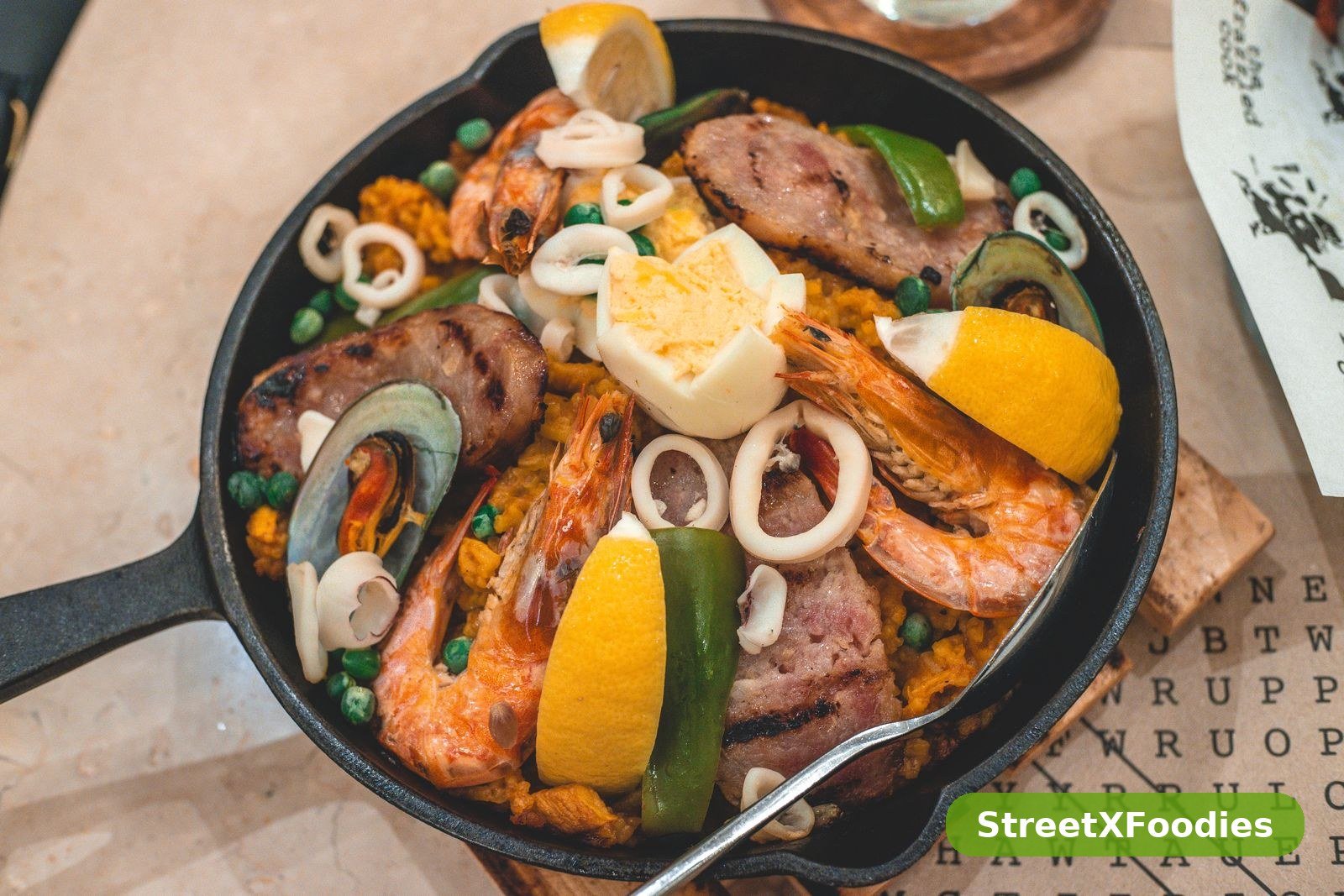
There is something about a big pan of jambalaya that just makes the whole kitchen feel warm, even on an ordinary Tuesday night. The smell of sausage browning in the pan, the peppers and onions softening, the rice soaking up all that smoky, spicy broth — it builds slowly, and by the time you lift the lid, everyone in the house somehow finds their way to the kitchen. I first started making jambalaya because I wanted a dinner that felt like a celebration without actually needing a celebration, and this version has stayed in our regular rotation ever since because it delivers that feeling with very little fuss.
I will be honest with you: the first time I tried to make jambalaya at home, I was a little nervous about the rice. Rice can be fussy, and nobody wants a pan of mushy grains or, worse, rice that is still crunchy in the middle while the shrimp are already overcooked. The trick I learned, after a few slightly imperfect attempts, is to let the rice cook undisturbed for most of the time and to add the shrimp right at the end, when the rice is almost done. Shrimp cook in just a couple of minutes, and if you treat them gently they stay plump and tender instead of turning rubbery. Once I figured out that timing, everything else fell into place.
What I love most about this recipe is that it is a true one-pan meal. You brown the sausage, soften the vegetables, toast the rice, pour in the broth, and let the pan do the work. There is no juggling of pots, no separate pan for the shrimp, and no pile of dishes waiting for you afterwards. It is the kind of dinner that works just as well for a busy weeknight as it does for a relaxed weekend gathering, and it tastes like you spent far longer on it than you actually did.
This is my everyday version, built around ingredients you can find at any regular supermarket. Smoky sausage, juicy shrimp, the classic holy trinity of onion, celery, and bell pepper, and a good Cajun-style seasoning that ties it all together. It is hearty, a little spicy, deeply savoury, and generous enough to feed a hungry family with leftovers for lunch the next day. If you have never made jambalaya before, this is a wonderful place to start.
Why You’ll Love This Recipe
First of all, this jambalaya is a proper one-pan dinner, and that matters more than it sounds when you are the one cooking and cleaning up. Everything happens in a single large skillet or shallow pot, from browning the sausage to simmering the rice, so the flavours build on each other in the same pan and you are left with very little washing up. The sausage leaves behind a little of its smoky fat, the vegetables pick it up, the rice toasts in it, and by the end every grain tastes like it has been part of the whole story, not just cooked alongside it.
You will also love how flexible the heat level is. Some people in my house like a gentle warmth, others want a proper kick, and this recipe lets you please both without making two dinners. The Cajun seasoning gives you a solid base of flavour, and a little extra cayenne or hot sauce at the table lets everyone adjust their own bowl. It is spicy in a warm, rounded way rather than a sharp, punishing way, which is exactly how I like my weeknight food to be.
Then there is the texture, which is honestly the thing that keeps me coming back to this dish. The rice comes out tender and separate, not sticky or claggy, the sausage stays juicy with crisped edges, and the shrimp curl up into those perfect little pink crescents that are the best part of the whole pan. The peppers soften just enough to melt into the rice while still keeping a hint of their sweetness, and the green onions scattered over the top at the end add a fresh, bright crunch that lifts everything.
It is also a generous, forgiving recipe. If your shrimp are a little bigger or smaller than mine, it still works. If you only have one bell pepper instead of two, it still works. If you want to stretch it for unexpected guests, a little extra rice and broth will do the job. And it reheats beautifully, which means a pan made on Sunday can quietly become a very good lunch on Monday without any extra effort at all.
Ingredients You’ll Need
- 1 pound large shrimp, peeled and deveined, tails on or off as you like
- 12 ounces smoked sausage, sliced into half-inch rounds — andouille is wonderful here if you can find it
- 1 1/2 cups long-grain white rice, rinsed until the water runs mostly clear
- 1 large yellow onion, finely diced
- 1 green bell pepper, diced
- 1 red bell pepper, diced
- 2 celery ribs, finely diced
- 4 cloves garlic, minced
- 1 can (14.5 ounces) diced tomatoes, with their juices
- 3 cups low-sodium chicken broth
- 2 tablespoons tomato paste
- 2 tablespoons olive oil
- 2 teaspoons Cajun seasoning, plus more to taste
- 1 teaspoon smoked paprika
- 1/2 teaspoon dried thyme
- 1/2 teaspoon dried oregano
- 1/4 to 1/2 teaspoon cayenne pepper, depending on how much heat you like
- 1 bay leaf
- 1 teaspoon kosher salt, plus more to taste
- 1/2 teaspoon black pepper
- 4 green onions, thinly sliced, for serving
- 2 tablespoons chopped fresh parsley, for serving
- Lemon wedges, for serving
How to Make One-Pan Shrimp and Sausage Jambalaya
Start by getting everything ready before the pan gets hot, because once this dish starts moving, it moves quickly. Peel and devein the shrimp if they are not already prepared, pat them dry with paper towels, and season them lightly with a pinch of salt and a little of the Cajun seasoning. Slice the sausage, dice the onion, peppers, and celery, and mince the garlic. Rinse the rice in a fine sieve until the water runs mostly clear, then let it drain well. Having everything chopped and measured before you begin is the single easiest way to keep a one-pan dinner calm instead of chaotic, and it makes the cooking itself feel almost relaxing.
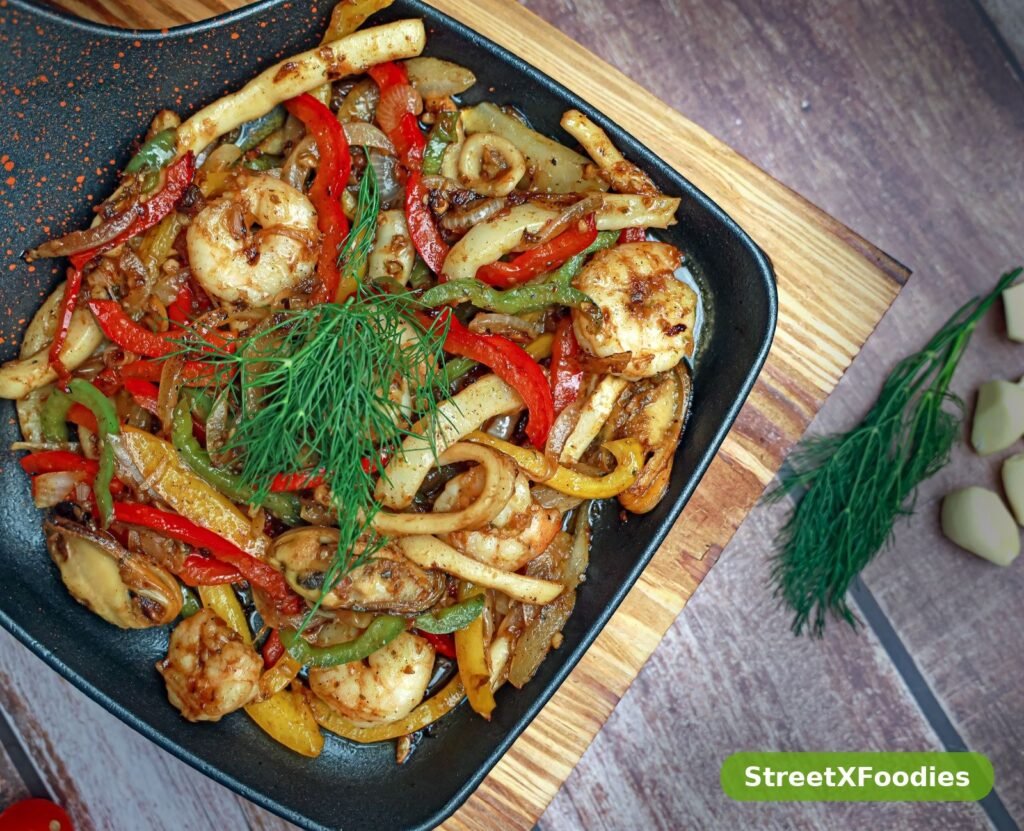
Warm the olive oil in a large, deep skillet or a wide shallow pot over medium-high heat. When the oil is shimmering, add the sliced sausage in a single layer and let it brown without moving it too much for about two to three minutes on each side. You want those edges to get nicely caramelised, because that browning is where so much of the flavour comes from. Once the sausage is golden in places, scoop it out onto a plate and leave the fat behind in the pan — that smoky, savoury fat is liquid gold for the next step, so do not wipe the pan out.
Lower the heat to medium and add the onion, both bell peppers, and celery to the same pan. Cook them slowly, stirring now and then, for about five minutes, until the onion turns soft and translucent and the peppers have lost their raw edge. This mixture, the holy trinity of Louisiana cooking, is the quiet foundation of the whole dish, and it is worth giving it those few minutes rather than rushing past it. Stir in the garlic, tomato paste, Cajun seasoning, smoked paprika, thyme, oregano, and cayenne, and cook for another minute until everything smells warm and fragrant and the tomato paste has darkened slightly.
Now add the rinsed rice to the pan and stir it through the vegetables and seasonings for about a minute, letting each grain get coated in that spiced, oily mixture. This little toasting step helps the rice stay separate and fluffy later, and it gives the finished dish a deeper, nuttier flavour. Pour in the diced tomatoes with their juices and the chicken broth, scraping the bottom of the pan with a wooden spoon to lift up all those lovely browned bits. Return the sausage to the pan, tuck in the bay leaf, and season with the salt and black pepper. Give everything one good stir, then bring it up to a gentle boil.
Once the liquid is bubbling, turn the heat down to low, put the lid on, and let the rice simmer quietly for eighteen to twenty minutes. Try not to lift the lid every couple of minutes to check on it, tempting as that is, because each peek lets out steam the rice needs. When the time is up, lift the lid and check: the rice should be tender, most of the liquid should be absorbed, and there should be just a little moisture left in the pan. If the rice still looks a little firm and there is no liquid left, splash in a couple of tablespoons of hot water or broth, pop the lid back on, and give it five more minutes.
Now for the shrimp, which is the part where timing really matters. Nestle the seasoned shrimp into the hot rice in a single layer, pushing them down gently so they make good contact with the warm grains, then put the lid back on and cook for just three to four minutes. The shrimp are done when they have turned pink and opaque and curled into a loose C shape. If they curl up into a tight little O, they have gone a little too far, so keep an eye on the clock here. Take the pan off the heat, remove the bay leaf, and let everything rest with the lid on for five minutes. That rest lets the shrimp finish gently in the residual heat and lets the rice settle, so the grains firm up just enough to serve beautifully.
Fluff the jambalaya gently with a fork, folding the shrimp and sausage through the rice rather than stirring hard, which would break the grains. Taste a spoonful and adjust the seasoning — a little more salt, a pinch more Cajun seasoning, or a squeeze of lemon can make all the difference at this stage. Scatter the sliced green onions and chopped parsley over the top, and serve it straight from the pan while it is still steaming, with lemon wedges on the side for anyone who wants a bright squeeze over their bowl. If you are curious about how the classic version is traditionally put together, this guide to jambalaya from Serious Eats is a lovely deeper read, and it explains the history behind the dish far better than I ever could.
Tips for the Best One-Pan Shrimp and Sausage Jambalaya
The single most important tip is to use long-grain white rice and to rinse it well. Long-grain rice stays separate and fluffy, which is exactly what you want in jambalaya, while short-grain or medium-grain rice can turn sticky and heavy. Rinsing washes away the excess surface starch that makes rice clump together, so do not skip that step even when you are in a hurry. A quick rinse in a sieve takes less than a minute and makes a real difference to the final texture.
Do not overcook the shrimp, because that is the one mistake that is hard to undo. Shrimp go from perfect to rubbery in a matter of a minute or two, so add them only when the rice is essentially done, and trust the clock rather than your eyes alone. If you are using very large shrimp, give them an extra minute; if they are small, check them at three minutes. Remember that they keep cooking in the hot rice during the resting time, so it is better to pull the pan off the heat when they look just barely done.
Brown the sausage properly, and do not crowd the pan when you do it. If the slices are piled on top of each other they will steam instead of browning, and you will miss out on those crisped, caramelised edges that add so much flavour. If your pan is on the smaller side, brown the sausage in two batches. It takes a few extra minutes, but the flavour payoff is worth it, and the same rule applies to the vegetables: give them space and time to soften properly.
Keep the lid on while the rice simmers, and resist the urge to stir it. Stirring releases starch and breaks the grains, and lifting the lid lets the steam escape. A heavy, well-fitting lid is your best friend here. If your lid is a little loose, a sheet of foil tucked under it can help seal in the steam. And always let the finished jambalaya rest for five minutes before serving — that short pause is when the flavours settle and the rice reaches its best texture.
Finally, taste and adjust at the end. Different sausages and broths have different levels of salt, and Cajun seasoning blends vary a lot from brand to brand, so the amount of salt in the recipe is a starting point, not a rule carved in stone. A squeeze of lemon, a handful of fresh herbs, or a dash of hot sauce can wake the whole pan up if it tastes a little flat. Trust your own palate here; you are the one eating it, after all. For safe handling of the shrimp, the food safety guidance from the USDA is worth a quick look, especially if you are cooking for children or older relatives.
Variations to Try
If you love chicken, add a pound of boneless, skinless chicken thighs, cut into bite-size pieces, and brown them in the pan right after the sausage before you cook the vegetables. Chicken thighs stay juicy through the long simmer in a way that chicken breast sometimes does not, and they add a lovely richness to the dish. You could also make a version with chicken and sausage only, leaving the shrimp out entirely, which is a great option if someone at the table does not eat shellfish.
For a spicier, more traditional take, use andouille sausage and increase the cayenne to a full teaspoon, then finish with a generous dash of your favourite hot sauce. Andouille has a coarse texture and a smoky heat that is hard to beat in jambalaya, and it is worth seeking out if your local shop stocks it. On the other hand, if you are cooking for children or for people who prefer mild food, use a mild smoked sausage, leave the cayenne out altogether, and let everyone add hot sauce at the table instead.
You can also turn this into a vegetarian jambalaya without losing its spirit. Leave out the sausage and shrimp, use vegetable broth instead of chicken broth, and add a can of red kidney beans, a diced zucchini, and a handful of sliced mushrooms. A little extra smoked paprika helps replace the smokiness of the sausage, and a tin of beans keeps the dish hearty and satisfying. It will not be the same dish, exactly, but it will still be warm, filling, and full of that same Louisiana-style flavour.
Another variation I make often in summer is to add a cup of fresh or frozen okra in the last ten minutes of cooking, which is a traditional addition in many Louisiana kitchens and gives the dish a lovely, slightly thickened texture. Or stir in a handful of sweetcorn kernels along with the shrimp for a pop of sweetness and colour. If you enjoy rice dishes in general, you might also like this one-pan chicken and chorizo rice, which uses a similar method with a Spanish twist, and the flavours are just as comforting.
Serving Ideas
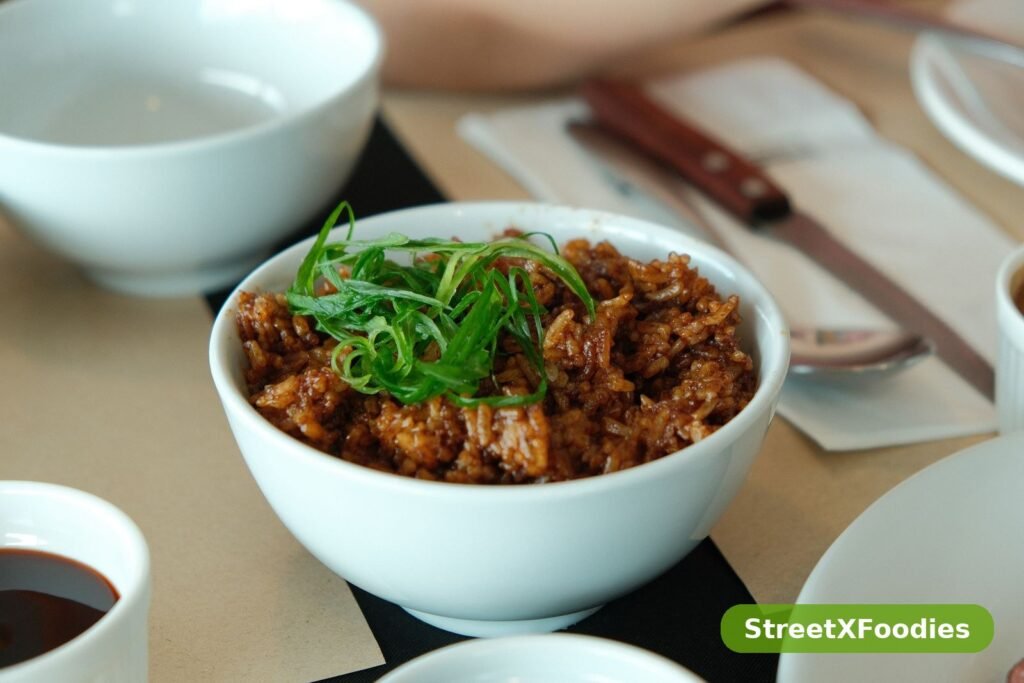
Jambalaya is a complete meal all by itself, and honestly it needs very little alongside it. I usually serve it straight from the pan in the middle of the table, with a big spoon and a stack of bowls, and let everyone help themselves. A simple green salad with a sharp vinaigrette is the perfect contrast to the rich, smoky rice, and a basket of warm crusty bread is wonderful for scooping up any last grains. If you want to lean into the Louisiana theme, a side of street-style garlic noodles makes a fun, flavour-packed addition for a bigger gathering, though the jambalaya will happily carry the meal alone.
For a casual family dinner, I like to put out lemon wedges, extra sliced green onions, and a bottle of hot sauce, so everyone can finish their own bowl exactly the way they like it. A cold drink — iced tea, lemonade, or a light lager for the adults — cuts through the richness nicely. If you are serving this at a party, keep the pan on a low heat or in a warm oven and let people come back for seconds, because they will. It is one of those dishes that tastes even better the second time around, once the flavours have had a chance to settle.
If you are looking for more street-food-inspired ideas to round out a spread, these easy homemade beef street tacos are a great companion, and for a lighter starter, air fryer crispy tofu bites with peanut sauce add a crunchy, savoury contrast before the main event.
Storage and Reheating
Leftover jambalaya keeps very well, and in my opinion it tastes even better the next day, once the rice has had time to soak up more of the seasoning. Let it cool to room temperature — no longer than two hours — then transfer it to an airtight container and refrigerate it for up to three days. The shrimp will firm up a little in the fridge, which is completely normal, and the rice will absorb any remaining moisture, so it may look a little drier than it did on the first night.
To reheat, spoon the portion you want into a pan or a microwave-safe bowl, sprinkle over a tablespoon or two of water or chicken broth per serving, and warm it gently. In the microwave, heat it in short bursts, stirring between each one, until it is piping hot all the way through. On the hob, warm it over a low heat with the lid on, stirring now and then, until it is steaming. The splash of liquid is important — it stops the rice from drying out and brings back that just-cooked texture.
You can also freeze jambalaya, though I would be honest and say the shrimp are never quite as tender after freezing. If you do freeze it, pack it into freezer-safe containers in single portions, leave a little room at the top for expansion, and use it within two months. Defrost it overnight in the fridge, then reheat it as above with a good splash of broth. The rice and sausage freeze beautifully; the shrimp are the only part that loses a little of their bounce, so some people prefer to freeze the rice and sausage base and add freshly cooked shrimp when they reheat it.
Frequently Asked Questions
Can I use frozen shrimp for this jambalaya?
Yes, frozen shrimp work very well, and honestly most of us buy them frozen anyway. Defrost them fully before cooking — overnight in the fridge is best, or under cold running water for about fifteen minutes if you are in a hurry. Pat them very dry with paper towels before you season them, because wet shrimp will steam instead of cooking gently in the hot rice, and they can water the dish down. Never add frozen shrimp straight to the pan, as they will release too much liquid and throw off the rice.
What kind of sausage is best for jambalaya?
Andouille is the traditional choice, with its coarse texture, smoky flavour, and gentle heat, and if you can find it, it is absolutely worth using. If andouille is not available, any good smoked sausage will work beautifully — kielbasa, a smoked pork sausage, or even a spicy chorizo-style sausage in a pinch. Avoid fresh, uncooked sausages that need long cooking, and avoid very lean sausages, because part of what makes this dish so flavourful is the fat the sausage leaves behind in the pan.
Why is my jambalaya rice mushy?
Mushy rice usually comes down to one of three things: too much liquid, the wrong kind of rice, or too much stirring. Make sure you are using long-grain white rice, measure the broth carefully, and rinse the rice before cooking. Keep the lid on and do not stir while the rice simmers, because stirring releases starch and breaks the grains. If your rice is still mushy, try reducing the broth by a quarter of a cup next time, and check that your heat is genuinely low — a vigorous boil will break the rice down faster than a gentle simmer.
Can I make jambalaya ahead of time?
You can, and it is actually a great make-ahead dish for a party. Cook it fully, let it cool, and refrigerate it for up to a day, then reheat it gently with a splash of broth. If you are making it more than a few hours ahead, I sometimes hold the shrimp back and cook them fresh when I reheat the rice, because freshly cooked shrimp are noticeably more tender. Either way, add the fresh green onions and parsley only just before serving, so they stay bright and crisp.
Is jambalaya gluten-free?
This recipe is naturally gluten-free as long as your sausage and Cajun seasoning are gluten-free, so do check the labels — some sausages and seasoning blends contain wheat as a filler or anti-caking agent. The rest of the ingredients, including the rice, vegetables, broth, and shrimp, are naturally free of gluten. If you are cooking for someone with coeliac disease, use a certified gluten-free broth and sausage, and be careful about cross-contamination in your kitchen.
Can I cook this jambalaya in a slow cooker?
You can, with a few adjustments, though I do think the stovetop version gives you better rice. Brown the sausage and soften the vegetables in a pan first, then transfer everything except the shrimp to the slow cooker with the rice and broth. Cook on low for two to two and a half hours, then stir in the shrimp and cook for another twenty to thirty minutes until they are pink. The rice can go soft quickly in a slow cooker, so check it early, and use a little less broth than the stovetop version calls for.