
Chicken Al Pastor Tacos
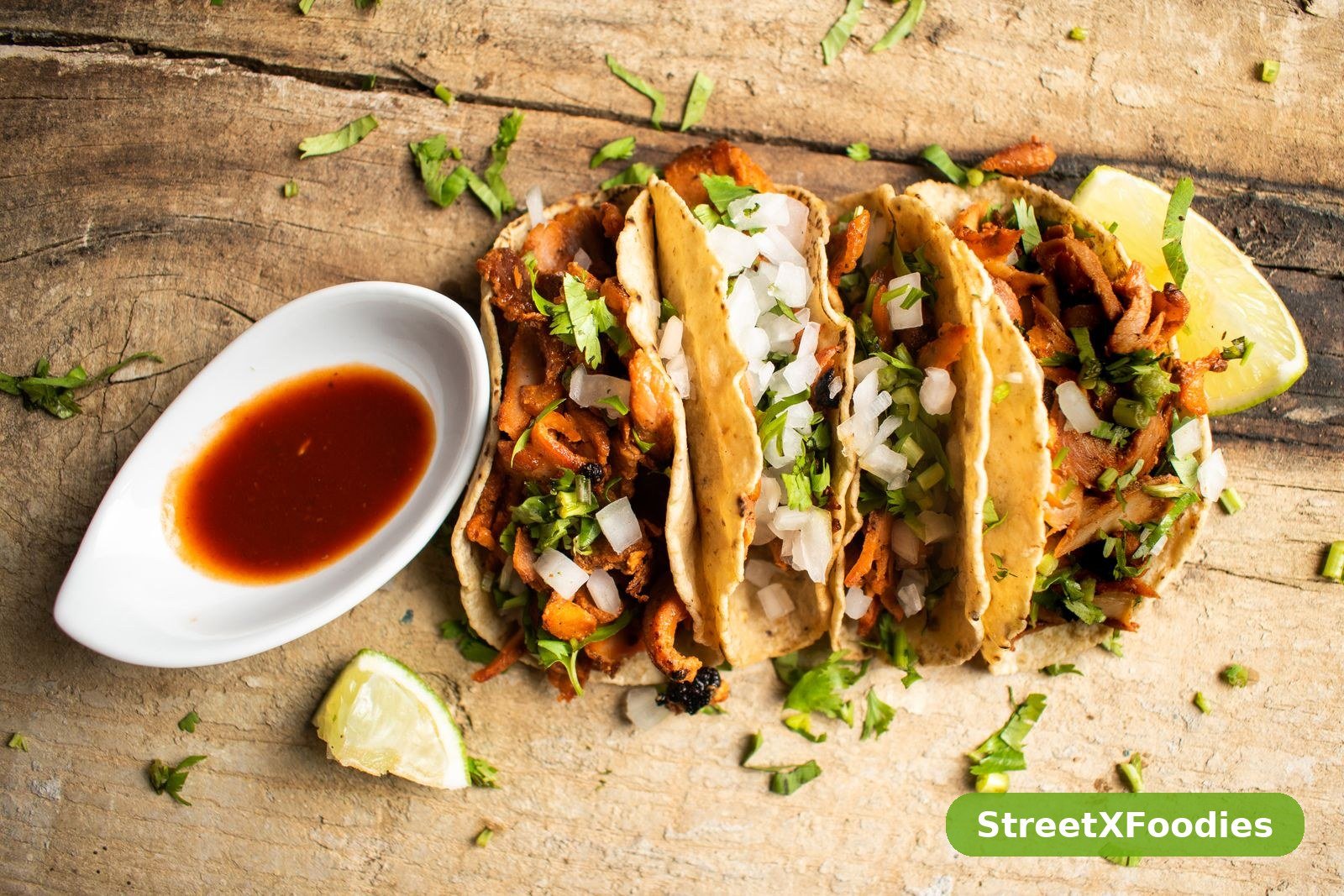
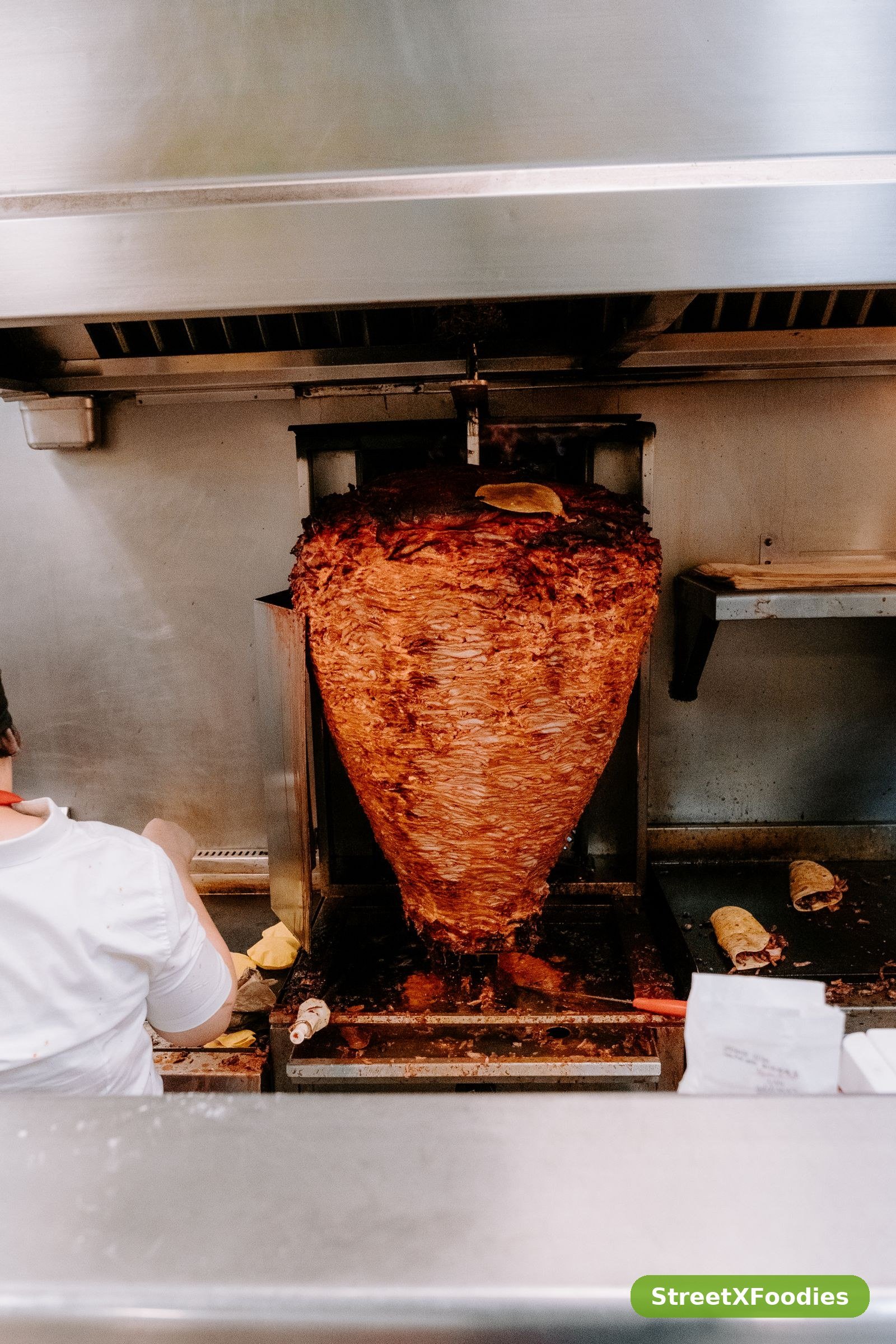
The first time I had tacos al pastor, I was standing on a pavement in the evening, holding a paper plate in one hand and trying not to drop anything, while the man at the stall shaved meat off a spinning column of pork with a knife so fast it looked like a trick. The meat landed straight on a tortilla, then came the pineapple, cut from the chunk roasting on top of the spit, then onion, cilantro, a spoonful of salsa, and a squeeze of lime. It took about forty seconds from order to first bite, and it was one of the best things I had eaten all year. I have been chasing that taco ever since.
Here is the problem, though: most of us do not own a trompo, which is the vertical spit that the pork cooks on, and we do not have three hours to stack meat onto one. So this is the home version, and it makes one honest swap. Chicken thighs take the place of pork. They marinate faster, they cook faster, and they take on the same smoky, brick-red marinade beautifully — and honestly, in a taco with charred pineapple and salsa, chicken works so well that nobody at the table is going to complain about the substitution. The marinade is the whole point of al pastor, and the marinade is exactly the same.
This recipe serves four people, makes about twelve tacos, and takes roughly an hour including the marinating time — though if you can give the chicken a few hours in the marinade, it is noticeably better. It is a weeknight-feasible taco with weekend flavour, and it is the one I make when friends come over and I want the kitchen to smell like a street stall.
What “Al Pastor” Actually Means
Al pastor translates to “shepherd style,” and the name is a clue to where the dish comes from. In the early twentieth century, Lebanese immigrants arrived in Mexico bringing shawarma with them — meat stacked on a vertical spit, cooked slowly, and shaved off to order. Mexican cooks adopted the technique and made it their own, swapping lamb for pork, adding a marinade built on dried chillies and achiote, and serving the meat in tortillas instead of pita. The pineapple on top of the spit is the signature finishing touch, and it is traditional, not a gimmick: the fruit caramelises in the heat and a slice of it gets cut straight onto the taco. The history of al pastor is one of the nicest food stories there is — a dish that travelled across the world and became something entirely new on arrival.
What makes al pastor different from any other taco meat is the marinade. It is not a dry rub and it is not a quick sauce. It is a thick, rust-red paste of rehydrated chillies, achiote, garlic, vinegar, and pineapple juice, and it does two jobs at once: it seasons the meat all the way through, and its sugars and acids help it caramelise and char at the edges when it hits the heat. Those dark, slightly crisp edges are the whole game. If your al pastor comes off the pan pale and soft, the marinade was too thin or the heat was too low, and the fix is always more heat and more patience.
Using chicken changes the technique a little. Pork on a spit cooks slowly and stays juicy because the fat bastes the meat as it turns. Chicken thighs are more forgiving than pork shoulder in a home kitchen because they cook quickly and stay juicy even when they get some colour on them — but they can dry out if you overcook them, and they do not have the same fat to protect them. So the rules for this version are simple: thighs, not breasts; a hot pan, not a gentle one; and pull the chicken off the heat the moment it is done, then rest it before you chop it. Follow those three and the chicken version is genuinely excellent.
The Marinade: Where All the Flavour Lives
Everything in this taco depends on the marinade, so it is worth making it properly rather than reaching for a jar. The base is guajillo chillies, which are dried, mild, and fruity — they give the marinade its deep red colour and a warm, raisin-like sweetness without much heat. Chipotle in adobo brings the smoke and the actual spice. Achiote paste, made from annatto seeds, is what turns the marinade that unmistakable orange-red and adds an earthy, slightly peppery note that nothing else quite replaces. If your supermarket does not stock achiote paste, look in a Latin grocery or online; a small block lasts for months in the fridge and it is the difference between a taco that tastes like al pastor and one that tastes like generic chilli chicken.
The rest of the marinade is about balance. Pineapple juice adds sweetness and a little acidity, and it helps tenderise the chicken — though you should not marinate for more than about eight hours, because the enzymes in pineapple will start to make the meat mushy if you leave it overnight. White vinegar and lime juice sharpen everything up. Garlic, cumin, and Mexican oregano fill out the background. A little oil helps the paste cling to the chicken and encourages browning in the pan. Blend it all until it is completely smooth; any chunks of chilli skin left in the paste will burn in the pan and taste bitter.
One practical note: the marinade stains. It will stain your hands, your cutting board, and any light-coloured tea towel it touches, so wear gloves if you mind orange fingers, and use a glass or ceramic bowl rather than plastic. It also stains the chicken a deep red that looks alarming in the bowl and completely normal and delicious once it is cooked, so do not be put off by the colour before it hits the pan. If you want a second opinion on the balance of the marinade, Bon Appétit’s tacos al pastor uses a very similar chilli-and-achiote base and is a good cross-check on proportions.
Ingredients
This makes about 12 tacos, enough for 4 hungry people. The recipe doubles easily if you are feeding a crowd — just use a bigger bowl for the marinade and cook the chicken in two batches so the pan stays hot.
For the marinade
- 4 dried guajillo chillies, stems and seeds removed
- 2 chipotle chillies in adobo, plus 1 tablespoon of the adobo sauce
- 2 tablespoons achiote paste
- 4 cloves garlic, peeled
- 1/2 cup (120 ml) pineapple juice
- 1/4 cup (60 ml) white vinegar
- Juice of 1 lime
- 1 teaspoon ground cumin
- 1 teaspoon Mexican oregano (or regular dried oregano)
- 1 teaspoon fine salt
- 1/2 teaspoon black pepper
- 2 tablespoons vegetable oil
For the tacos
- 900 g (2 lbs) boneless, skinless chicken thighs
- 12 small corn tortillas
- 1 cup fresh pineapple, cut into thick slices or chunks
- 1 small white onion, finely diced
- 1/2 cup fresh cilantro (coriander), roughly chopped
- 2 limes, cut into wedges
- Salsa roja or salsa verde, to serve
- Flaky salt, to finish
Step by Step: From Marinade to Taco
1. Make the marinade
Put the guajillo chillies in a bowl and cover them with boiling water. Leave them for 15 minutes until they are soft and pliable, then drain them. Put the softened chillies in a blender with the chipotles, adobo sauce, achiote paste, garlic, pineapple juice, vinegar, lime juice, cumin, oregano, salt, pepper, and oil. Blend until the mixture is completely smooth — this takes a good minute or two, and you should stop and scrape the sides down once or twice. Taste it. It should be smoky, tangy, a little sweet, and noticeably spicy. If it tastes flat, add a pinch more salt; if it tastes too sharp, add a teaspoon of honey. The marinade is strong by design — it will mellow once it cooks on the chicken.
2. Marinate the chicken
Put the chicken thighs in a large bowl or a resealable bag and pour over about three-quarters of the marinade, reserving the rest. Turn the chicken until every piece is coated, then cover and refrigerate for at least 1 hour and ideally 3 to 4 hours. Do not go past 8 hours — the pineapple juice will start to break down the meat and the texture turns soft in a bad way. Take the chicken out of the fridge 20 minutes before cooking so it is not ice-cold when it hits the pan; cold chicken steams instead of searing.
3. Cook the chicken hot and fast
Heat a large cast iron skillet or heavy frying pan over medium-high heat until it is properly hot — a drop of water should sizzle and vanish on contact. Add a thin film of oil. Lay the chicken thighs in the pan in a single layer, leaving space between them, and do not move them for 4 to 5 minutes. You want a deep, dark crust to form before you flip. Turn them once and cook for another 4 to 5 minutes on the second side, until the thickest part reads 74°C (165°F) on a thermometer or the juices run clear when you cut into the thickest thigh. If the pan is crowded, cook in two batches; a crowded pan drops the temperature and the chicken boils in its own marinade instead of charring, which is the single most common way this recipe goes wrong.
4. Char the pineapple
While the chicken rests, put the pineapple slices in the same hot pan — no extra oil needed, there will be plenty of marinade and fat left in there. Cook for 1 to 2 minutes a side until the edges are dark and caramelised. The pineapple should be hot and browned at the edges but still juicy in the middle; if it goes soft and pale, the pan was not hot enough. Dice the charred pineapple into small pieces. This is the step people skip, and it is the step that makes the taco taste like the street version instead of just a chicken taco with pineapple on it.
5. Warm the tortillas
Warm the corn tortillas one at a time in a dry pan over medium-high heat, about 30 seconds a side, until they are pliable and have a few browned spots. Stack them in a clean tea towel as you go so they stay warm and soft. Cold, stiff tortillas are the fastest way to ruin a good taco — they crack, they split, and the filling falls out. If your tortillas are on the dry side, sprinkle them with a few drops of water before they go in the pan. Two tortillas per taco is the street-stall way, and it is worth doing if your tortillas are thin, because it stops them tearing under a generous filling.
6. Chop and build
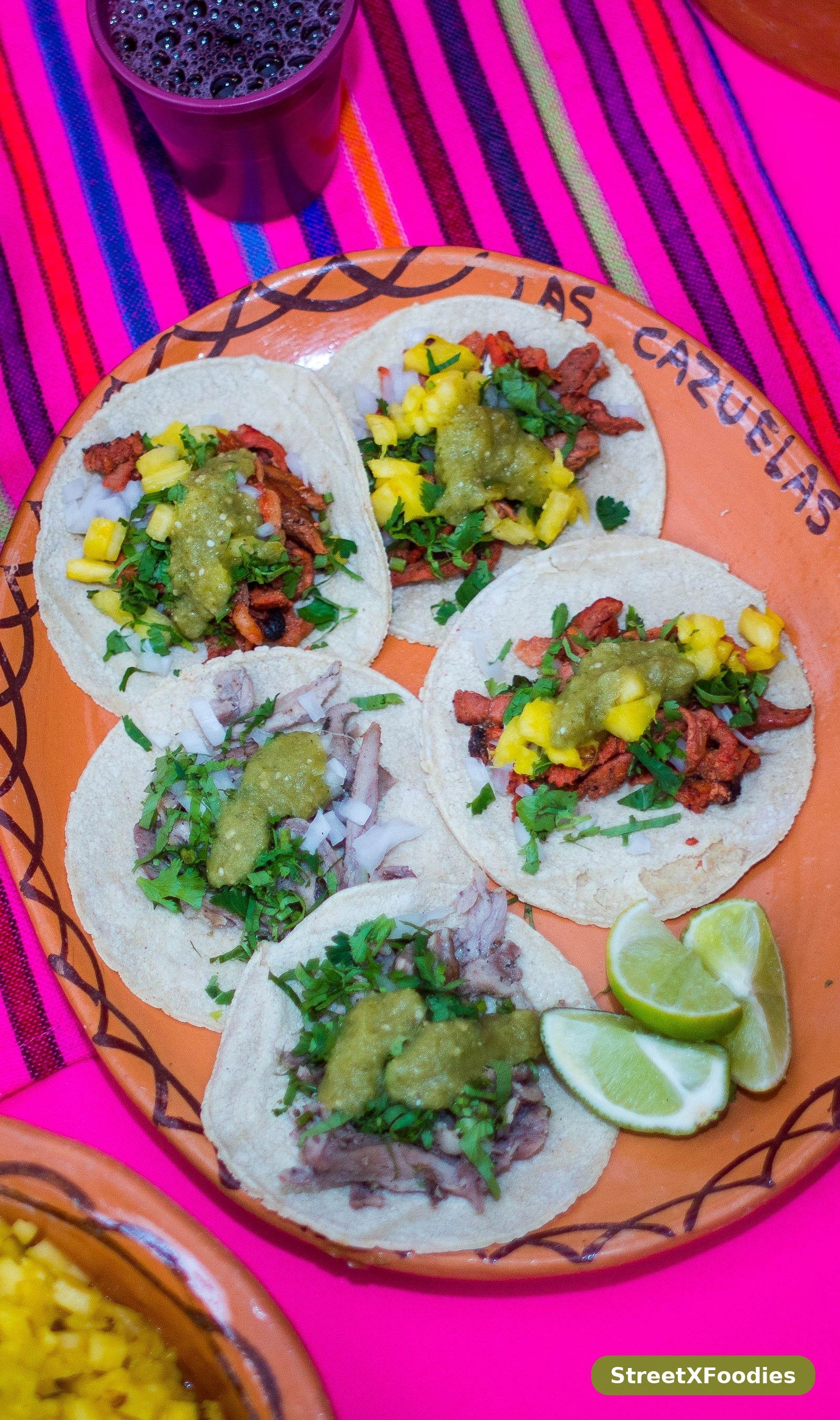
Rest the chicken for 5 minutes, then chop it into small pieces — smaller than you think. Street tacos are built with meat chopped fine enough to eat in one bite, and the small pieces also mean more charred edges in every mouthful. Spoon the chicken onto the warm tortillas, then add the charred pineapple, a pinch of diced onion, and a scatter of cilantro. Finish with salsa and a squeeze of lime. That is the whole taco. Do not load it with cheese or sour cream or lettuce — al pastor is a four-topping taco, and the restraint is part of what makes it work.
The Pineapple Question
Every conversation about al pastor eventually gets to the pineapple, and usually someone says it does not belong on a taco. The pineapple is not optional and it is not a modern addition — it is part of the dish from the start, and it earns its place for a practical reason, not just a flavour one. The sweetness and acidity cut through the rich, smoky meat in a way that nothing else does, and the char on the pineapple adds a bitter edge that balances the sweetness of the fruit itself. A taco al pastor without pineapple is not a purist version; it is an incomplete one.
Fresh pineapple is worth the small effort of cutting it up. Canned pineapple in syrup is too sweet and too soft, and it will not char properly in the pan — it just gets hot and floppy. If you only have canned, use the kind packed in juice, drain it well, and pat it dry before it goes in the pan. A whole fresh pineapple will give you far more than you need for one batch of tacos; the rest keeps in the fridge for a few days and is excellent grilled and served with the leftovers, or blended into a drink with lime and ice. Buy the pineapple a day or two before you cook and let it ripen on the counter — it should smell sweet at the base and give slightly when you press it.
There is one more thing worth saying about the pineapple: it goes in the taco, not on the side. The point is that every bite has a little meat, a little pineapple, a little onion, and a little cilantro together. Scatter it through the filling rather than putting a single chunk on top, and use less than you think you need — a tablespoon per taco is about right. Too much pineapple and the taco turns into a fruit salad with chicken in it.
Salsas and Toppings That Actually Belong
The traditional toppings are onion, cilantro, and lime, and that is all a good al pastor taco needs. Diced white onion is the right choice — it is sharper and crisper than red onion, and it stays crunchy against the hot meat. Cilantro is not a garnish here; it is an ingredient, and you want a generous handful, stems and all, because the stems carry most of the flavour. Lime wedges on the side are essential. Squeeze the lime over the taco at the table, not in the kitchen, so the juice stays bright.
For salsa, either a red salsa or a green salsa works, and the honest answer is to use whichever you like more. A salsa roja made with dried chillies echoes the marinade and makes the whole taco taste deeper and smokier. A salsa verde made with tomatillos is brighter and more acidic, and it lifts the richness of the chicken. I usually put both on the table and let people choose. What does not belong is a thick, creamy sauce — the taco is already rich from the marinade, and anything mayonnaise-based just dulls the flavours you worked to build.
If you are cooking for people who do not eat chicken, or you want a second taco on the table so everyone has a choice, a fish taco with a bright slaw is the natural partner — something like these crispy fish tacos with lime slaw gives the same taco-night energy with a completely different flavour. And if the crowd is large, a platter of something grilled alongside the tacos turns it into a proper spread; a smoky chicken tikka works surprisingly well next to al pastor, because both are marinated, charred, and built for tearing apart and sharing.
Common Mistakes (and How to Fix Them)
Most al pastor failures come down to a few things, and all of them are easy to fix once you know what to look for.
The marinade is gritty or the chilli skins burn. The guajillos were not soaked long enough, or the blender did not run long enough. Soak the chillies until they are fully soft — they should tear easily — and blend for a full two minutes, scraping the sides down halfway through. If your blender is weak, strain the marinade through a fine sieve before it goes on the chicken.
The chicken is pale instead of charred. The pan was not hot enough, or it was overcrowded. Let the pan heat for a full few minutes before the first piece of chicken goes in, and cook in batches if you have to. You should hear a loud sizzle the moment the chicken touches the pan. If you do not hear it, the pan is not ready.
The chicken is dry. Either it was cooked too long, or it was chicken breast. Thighs are forgiving, but even thighs dry out if you leave them in the pan after they are done. Use a thermometer if you have one — 74°C (165°F) is the number — and rest the chicken for five minutes before chopping so the juices settle instead of running out onto the board.
The tacos fall apart. The tortillas were cold, or the filling was too wet. Warm the tortillas properly, use two per taco if they are thin, and do not spoon extra marinade from the pan onto the taco. The chicken should be juicy, not swimming. If your salsa is very thin, drain it a little before it goes on the table.
The flavour is flat. It almost always needs more salt or more lime. The marinade is strong, but salt is what makes the flavours actually register. Taste the chicken after cooking and sprinkle a little flaky salt over the chopped meat before you build the tacos. A squeeze of lime at the table does the rest.
What to Serve With Them
Tacos al pastor are a complete meal on their own, but they are even better as the centre of a spread. Mexican rice and refried beans are the classic sides, and they are both easy to make while the chicken marinates. A simple cabbage slaw with lime and salt is good for people who want something crunchy and fresh next to the tacos. Elotes — grilled corn with mayonnaise, cheese, and chilli — is the obvious indulgent side, and it shares the same smoky, lime-and-chilli flavour family, so the whole table feels coherent.
For drinks, keep it simple: cold Mexican lager with a lime wedge, or agua fresca made with watermelon or hibiscus. The sweetness of an agua fresca works the same way the pineapple does in the taco, cutting through the smoky richness. If you are serving a crowd and want a second main so the table feels generous, a batch of beef street tacos next to the chicken al pastor gives people a real choice, and the two meats use the same toppings, so you are not doubling the prep.
Variations Worth Trying
Once you have the basic recipe down, it is a good base for experimenting. For a pork version, use the same marinade on thinly sliced pork shoulder, marinated overnight — pork can take the long marinade that chicken cannot — and cook it the same way, hot and fast, until the edges are crisp. For a vegetarian version, use thick slices of halloumi or extra-firm tofu, marinated for 30 minutes and seared in the same hot pan; the marinade is so flavourful that the swap works better than you would expect.
If you want more heat, add another chipotle or a pinch of cayenne to the marinade, or serve the tacos with a habanero salsa on the side for people who want to add their own fire. If you want less heat, leave out one chipotle and add a tablespoon of honey to the marinade — the sweetness balances the remaining spice and helps the chicken caramelise even more.
For a different format, the same chicken is excellent in a burrito bowl over rice with black beans and the same toppings, or piled into a quesadilla with a little Oaxaca cheese, where the cheese melts around the charred meat and pineapple. And if you like handheld food in general, the same build-a-plate approach works for other street food — these chicken kathi rolls with mint chutney are the same idea from a different street, and they are worth making the next time you have chicken thighs and a hot pan.
Storing and Reheating
The cooked chicken keeps well in the fridge for up to 3 days in a sealed container, and it is one of those leftovers that is actually better the next day, once the flavours have had time to settle. Store the chicken, the pineapple, and the toppings separately — never build tacos ahead of time, because the tortillas will go soggy within minutes.
To reheat, warm the chicken in a hot, dry skillet for 2 to 3 minutes until it is hot through and the edges crisp up again. The microwave will heat it, but it softens the char, which is the best part, so the skillet is worth the extra two minutes. The marinade itself keeps in the fridge for up to a week in a sealed jar, so if you make a double batch you can cook a second round of tacos later in the week with no extra prep. Leftover chicken is also excellent cold the next day, sliced thin and piled into a sandwich with pickled onion.
Frequently Asked Questions
Is chicken al pastor traditional?
Strictly speaking, no — the traditional version is pork cooked on a trompo, and that is how you will find it in Mexico City. Chicken al pastor is a home-kitchen adaptation, and it is an honest one: the marinade, the pineapple, the onion and cilantro, and the way it is served are all faithful to the original, and the chicken is simply a practical swap for a spit most home cooks do not own. Think of it as the same dish, cooked the way a home kitchen allows.
Can I use chicken breast instead of thighs?
You can, but thighs are strongly recommended. Breast dries out quickly at the high heat this recipe needs, and it does not have the fat that keeps the meat juicy while the edges char. If you only have breast, slice it thin, marinate for no more than an hour, and cook it fast — 3 minutes a side at most — then rest it well before chopping. Even then, it will not be quite as forgiving as thighs.
Where do I find achiote paste?
Look in the Latin or Mexican aisle of a large supermarket, in a Latin grocery shop, or online. It usually comes as a small red block wrapped in plastic, and it keeps for months in the fridge once opened. If you genuinely cannot find it, you can get close by using paprika and a pinch of turmeric for the colour, plus a little extra cumin for the earthiness — but the flavour will not be quite the same, so it is worth tracking the real thing down.
Can I make the marinade ahead of time?
Yes, and it actually improves with a day in the fridge. Make it up to 3 days ahead and keep it in a sealed jar. The flavours meld and deepen, and then all you have to do on the day is pour it over the chicken. Do not freeze the marinade with the chicken in it, though — the pineapple juice will over-tenderise the meat as it thaws.
Do I need a cast iron skillet?
It helps, because cast iron holds heat better than anything else and gives you the deep char this recipe depends on. But any heavy-bottomed pan will work, including stainless steel. The one thing to avoid is a thin non-stick pan, which does not hold enough heat and will steam the chicken instead of searing it. Whatever pan you use, preheat it properly and do not crowd it.
What if I cannot find guajillo chillies?
Ancho chillies are the closest substitute — they are slightly sweeter and darker, but they give a similar depth and colour. Use the same quantity, soaked the same way. In a pinch, you can use 3 tablespoons of a good-quality chilli powder instead of the whole dried chillies, but the flavour will be flatter, so add an extra chipotle to make up for the lost smokiness.
That is the whole recipe, and it is one of those dishes that tastes like far more effort than it actually takes. The marinade does the work, the pan does the rest, and the pineapple does the magic. Make it once and it will go into your regular rotation — and if you ever do find yourself standing at a stall in Mexico City, watching the meat come off the trompo, you will know exactly what you are looking at.