
Crispy Smashed Potatoes with Garlic and Herbs
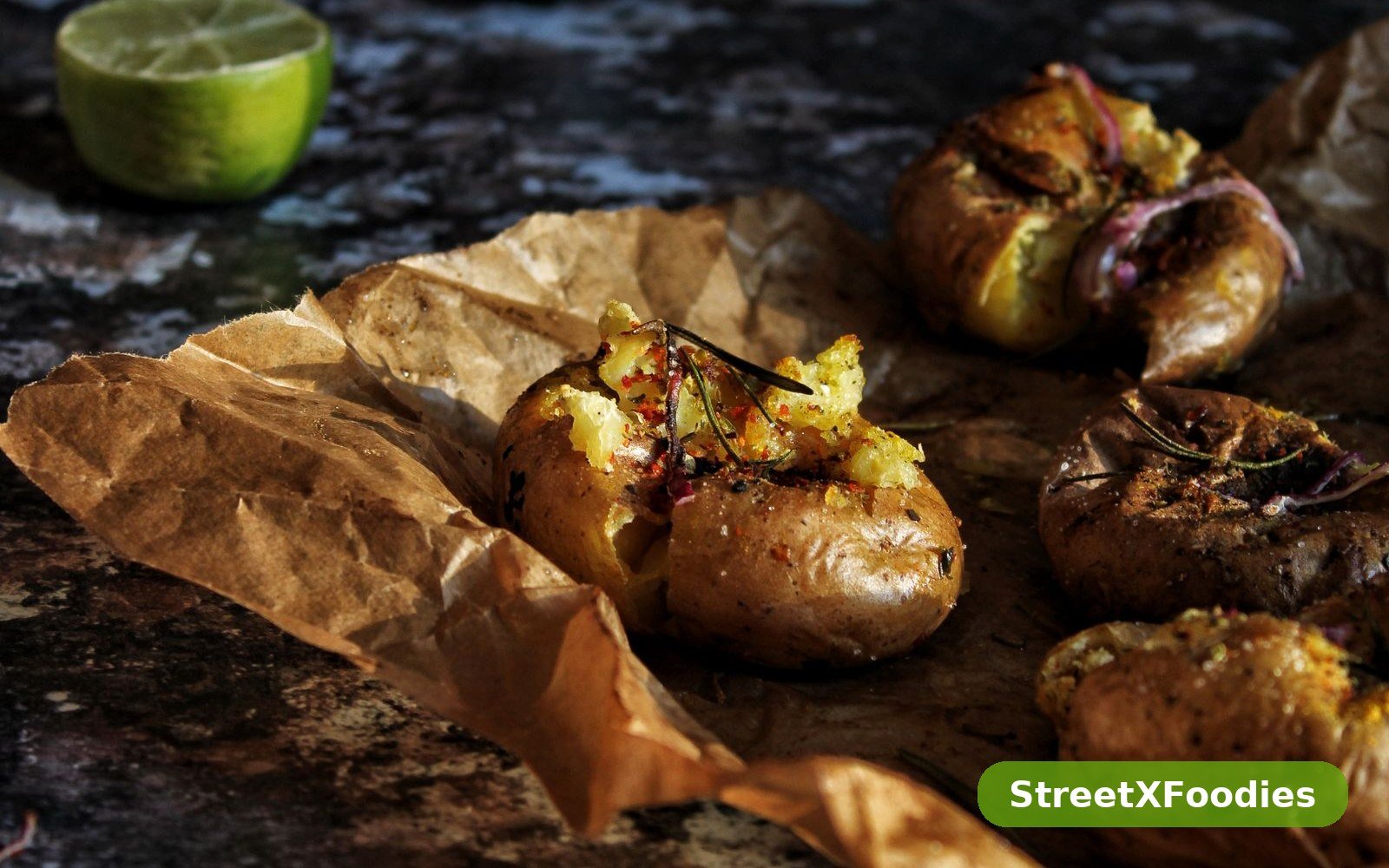
The first time I made smashed potatoes, I honestly did not expect much. They looked like a strange idea, boiling potatoes only to squash them flat and roast them again, and I remember thinking it was an extra step for no good reason. Then I tasted one straight off the tray, all golden edges and fluffy middle, with garlic butter pooling in the little cracks, and I understood immediately. This is the side dish I now make whenever I want dinner to feel a little bit special without doing anything complicated.
What makes them so good is the contrast. The outside goes properly crisp, almost like a roast potato crossed with a crisp, while the inside stays soft and steamy, like the best mashed potato you have ever had. Boiling them first is what makes that possible. It cooks the potato all the way through, so the oven only has to do the crisping, and smashing them open creates all those craggy edges and folds that catch the oil, the garlic, and the herbs. A whole potato cannot do that, no matter how hot your oven is.
They are also wonderfully forgiving. I have made them with baby potatoes, new potatoes, and whatever small potatoes I found at the shop, and they have worked every time. You do not need fancy equipment, just a pot, a baking tray, and something flat to press with, like the bottom of a glass or a mug. They are the kind of recipe you can make while the chicken is roasting, and they come out looking like you spent far more effort on them than you did.
I make these at least once a week now, sometimes with roast chicken, sometimes with a fried egg on top for a quick lunch, and sometimes just on their own with a garlicky yoghurt dip, eaten standing up in the kitchen. They are simple, they are cheap, and they are the sort of food that makes people go quiet for a moment and then ask for the recipe. If you have never smashed a potato before, this is the recipe to start with.
Why You’ll Love This Recipe
These potatoes are crispy in the places that matter and soft in the places that matter, and getting both textures from one potato is what makes them so satisfying. The smashed edges catch the heat and turn golden and crunchy, while the thick middle stays fluffy and buttery. It is the best of roast potatoes and mashed potatoes in the same bite, and once you have had them that way, plain boiled potatoes feel like a missed opportunity.
They are also far easier than they look. There is no peeling, no precise chopping, and no standing over the stove flipping things. You boil the potatoes until tender, smash them, brush them with garlic butter, and let the oven do the rest. The whole thing takes about fifty minutes, but most of that is hands-off time, so you can get on with the rest of dinner while they roast. They are the kind of side dish that makes a weeknight meal feel like a weekend one.
Another thing I love is how flexible they are. Change the herbs and you change the whole dish: rosemary and thyme feel classic and roasty, parsley and lemon feel fresh and bright, and a pinch of chilli flakes turns them into something that belongs next to spicy chicken. They work with almost any main course, from roast chicken to grilled fish, and they are just as good reheated the next day, crisped up again in a hot oven. They are also naturally gluten-free and easy to make dairy-free, which makes them useful when you are feeding a mixed crowd.
Ingredients You’ll Need
- 1 kg baby potatoes, scrubbed clean, similar size if possible — even sizes cook evenly, so pick through the bag
- 1 tablespoon fine salt, for the boiling water — the potatoes need seasoning from the inside out
- 60 ml olive oil, plus a little extra for the tray — good oil is what makes the edges crisp
- 40 g unsalted butter, melted — butter adds flavour, oil adds crispness, and together they are perfect
- 4 garlic cloves, finely minced — fresh garlic tastes far better here than garlic powder
- 1 teaspoon fresh rosemary, finely chopped — woody and fragrant, it loves roast potatoes
- 1 teaspoon fresh thyme leaves — small leaves, big flavour, and they crisp up nicely
- 1/2 teaspoon black pepper, freshly ground — pre-ground pepper tastes flat by comparison
- 1/2 teaspoon flaky sea salt, for finishing — the crunch of flaky salt on top is part of the charm
- 2 tablespoons fresh parsley, chopped, for serving — adds colour and freshness at the end
- 1 teaspoon lemon zest, optional but lovely — brightens the garlic butter without making it sour
- Sour cream or Greek yoghurt, to serve, optional — a cool dollop next to hot potatoes is wonderful
How to Make Crispy Smashed Potatoes with Garlic and Herbs
Start by putting the potatoes in a large pot and covering them with cold water by a couple of centimetres. Add the tablespoon of salt, then bring the pot to a boil over a high heat. Once it is boiling, turn the heat down a little so it simmers steadily rather than raging, and cook the potatoes for about twenty minutes, until a knife slides into the centre of the largest one with no resistance. You want them completely tender, because a potato that is still firm in the middle will not smash properly and will stay hard after roasting. Drain them well and let them sit in the colander for a few minutes so the steam escapes and the skins dry out a little.
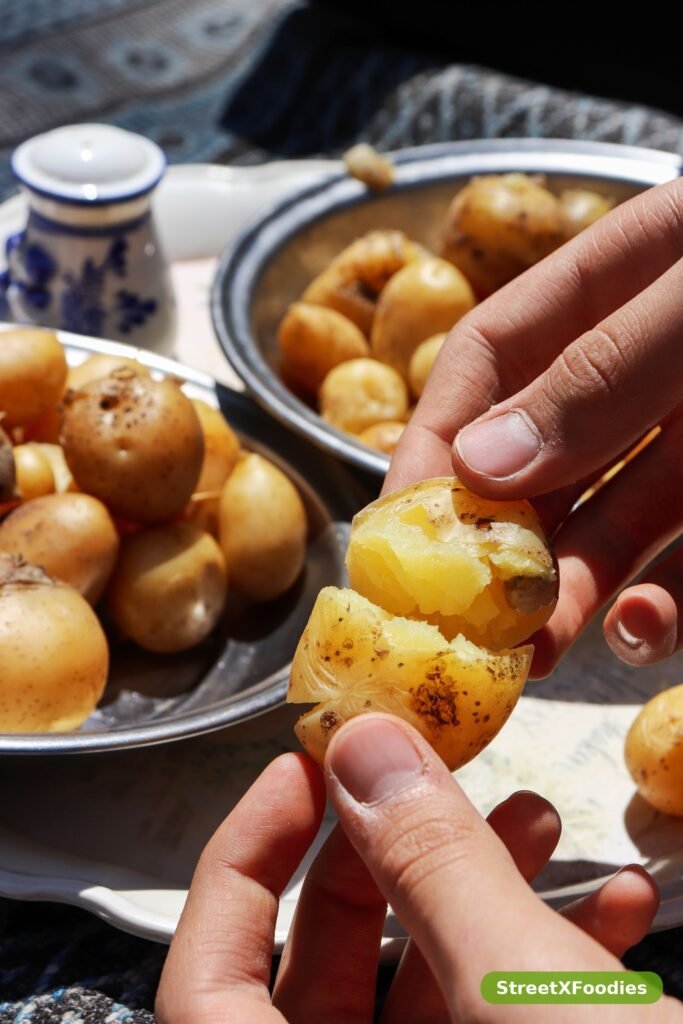
While the potatoes are steaming, heat the oven to 220 degrees Celsius and brush a large baking tray generously with olive oil. A hot oven is essential here, so do not be tempted to roast them at a lower temperature to save time, because they will go soft and pale instead of crisp. Put the drained potatoes on the oiled tray, spacing them out so they have room around them. Then take the bottom of a sturdy glass, a mug, or a potato masher, and press down firmly on each potato until it flattens to about a centimetre thick. Do not press so hard that it falls apart completely; you want it squashed and cracked, with the edges breaking open, but still holding together as one piece.
Now mix the melted butter with the remaining olive oil, the minced garlic, rosemary, thyme, and black pepper in a small bowl. Brush this mixture generously over each smashed potato, making sure it gets into the cracks and folds, because those are the bits that will crisp up and taste the most garlicky. Spoon any leftover garlic butter over the top, then slide the tray into the hot oven. Roast for twenty-five to thirty minutes, without turning them, until the edges are deep golden and the tops look crisp and craggy. The bottoms will be even crispier, which is exactly right.
Take the tray out of the oven and let the potatoes sit for two or three minutes, which helps them firm up and makes them easier to lift off the tray. Sprinkle them with the flaky sea salt, the chopped parsley, and the lemon zest if you are using it, then slide a spatula under each one and transfer them to a serving plate. They are best eaten hot, while the edges are still crackling, but they will stay crisp for a good twenty minutes on the counter. Serve them as they are, or with a dollop of sour cream on the side for dipping.
If your potatoes are different sizes, smash the bigger ones a little flatter so they cook at the same speed as the small ones. And if the tray is crowded, use two trays rather than squeezing them all onto one, because crowded potatoes steam instead of roasting, and steamed potatoes never get properly crisp. That little bit of space between them is the difference between golden and soggy, and it is worth the extra washing up.
Tips for the Best Smashed Potatoes
Choose potatoes that are similar in size, and do not worry about peeling them. The skin is what holds the smashed potato together, and it crisps up beautifully in the oven, so scrubbing them well is all the preparation they need. Waxy baby potatoes work best, because they hold their shape when smashed, while floury potatoes tend to fall apart. If you only have large potatoes, cut them into even chunks before boiling and smash those instead.
Dry the potatoes properly after boiling, because water is the enemy of crispness. Let them steam in the colander for a few minutes, and if you have time, pop them back into the warm pot for a minute to dry out further. The oiled tray also matters: brush it generously, because the oil underneath the potato is what fries the bottom into a golden crust. A tray lined with baking paper will not give you the same result, so use a bare metal tray if you can.
Add the garlic to the butter rather than scattering raw garlic over the potatoes, because raw garlic burns in a hot oven and turns bitter. Mixed into the butter and oil, it cooks gently and flavours the whole potato without burning. Save the fresh parsley for the end, too, because it will burn if it goes in at the start. And do not skip the resting time after roasting; two minutes on the tray lets the potatoes set, so they lift off cleanly instead of breaking apart on the spatula.
Variations to Try
For a cheesy version, sprinkle grated Parmesan or mature cheddar over the potatoes for the last five minutes of roasting, and let it melt into the cracks. It goes golden and lacy, and it is wonderful with a fried egg. A sprinkle of smoked paprika in the garlic butter gives them a warm, smoky flavour that works beautifully with grilled chicken, and a pinch of chilli flakes makes them properly spicy. For a fresher, lighter version, skip the butter and use all olive oil, then finish with lemon zest, parsley, and a squeeze of lemon juice.
You can also turn them into a loaded side dish. Top the roasted potatoes with sour cream, chopped spring onions, crispy bacon bits, and grated cheese, and serve them as a sharing plate. They make a great base for a brunch, topped with a poached egg and a little hollandaise if you are feeling fancy. For an Indian-inspired twist, toss the smashed potatoes in a little cumin, turmeric, and garam masala before roasting, then finish with fresh coriander and a squeeze of lime. The method stays the same, and the flavour changes completely.
If you want to make them ahead, boil and smash the potatoes, then leave them on the tray in the fridge for up to a day, and brush with garlic butter and roast just before serving. You can find more ideas for what to serve alongside them in the Serious Eats guide to crispy smashed potatoes, which explains the science behind the boil-then-roast method really well. For a street-food style meal, they are fantastic next to spicy peri peri chicken legs, where the cool, garlicky potatoes balance the heat.
Serving Ideas
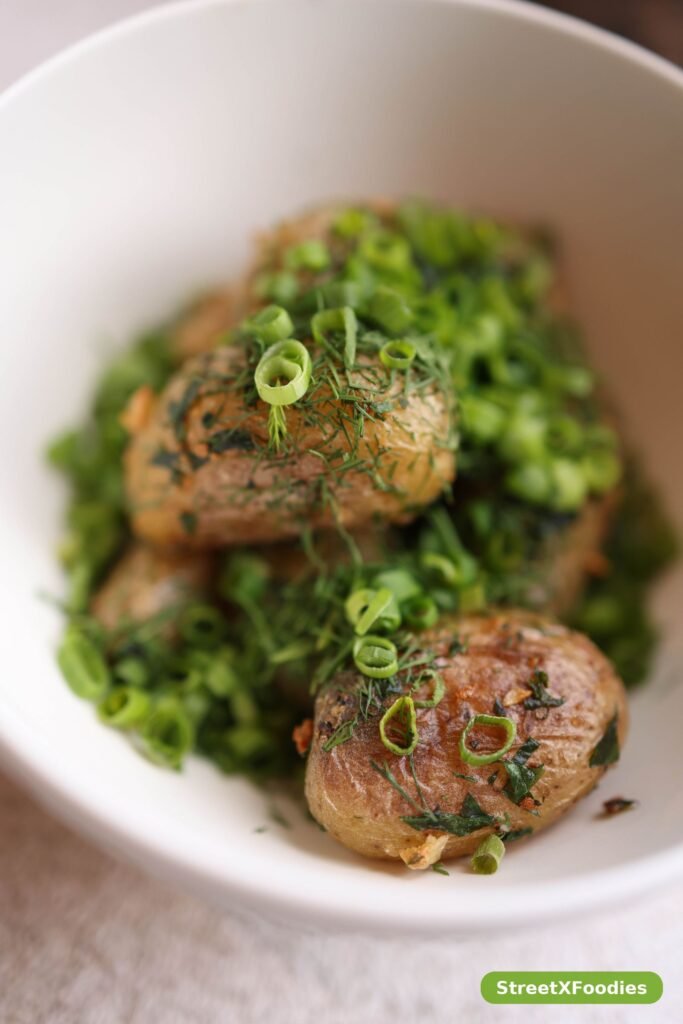
These potatoes go with almost everything, which is why they have become my default side dish. They are wonderful with roast chicken, grilled steak, baked fish, or a simple plate of sausages, because they soak up gravy and pan juices without going soggy. I serve them in a big bowl in the middle of the table, family style, with tongs, and let everyone help themselves. A green salad on the side keeps the meal balanced, and a cold drink completes it.
For a lighter lunch, top a pile of smashed potatoes with a fried egg and a handful of salad leaves, and you have a meal that takes ten minutes to put together if the potatoes are already roasted. They are also excellent as part of a barbecue spread, because they can be roasted while the meat is resting, and they hold their heat well. Serve them with a garlicky yoghurt dip, a little hot sauce, and a big bowl of salad, and nobody will miss the chips.
If you are cooking for a crowd, make a double batch across two trays, and keep the first tray warm in a low oven while the second roasts. They are also lovely next to smoky paprika chicken thighs with roasted peppers, where the sweet peppers and the garlicky potatoes work beautifully together. For a vegetarian dinner, serve them with a big roasted vegetable salad and a wedge of cheese, and you have a meal that feels generous and complete.
Storage and Reheating
Leftover smashed potatoes keep in an airtight container in the fridge for up to three days, though they will lose some crispness overnight. To bring them back, spread them on a baking tray and roast them in a hot oven at 220 degrees for eight to ten minutes, until they crisp up again. The microwave will warm them, but it will also make them soft, so the oven is always the better choice. A drizzle of fresh olive oil before reheating helps the edges crisp up again.
They also freeze reasonably well, though they are never quite as crisp after freezing as they are fresh. Freeze the roasted potatoes in a single layer on a tray, then transfer them to a freezer bag once solid, and they will keep for up to a month. Reheat them from frozen in a hot oven for fifteen to twenty minutes. Do not freeze the raw smashed potatoes before roasting, because the texture suffers. If you have leftover boiled potatoes, smash and roast them the next day rather than storing them boiled.
Frequently Asked Questions
What kind of potatoes work best for smashing?
Small waxy potatoes, like baby potatoes or new potatoes, work best, because they hold their shape when smashed and stay creamy inside. Floury potatoes like Maris Piper or Russet can work, but they tend to break apart more easily, so handle them gently. Whatever you use, choose potatoes of a similar size so they cook evenly. If you can only find large potatoes, cut them into even chunks before boiling. A good overview of potato varieties and how they behave when roasted is on BBC Good Food’s potato recipe collection, which is a handy reference.
Do I have to peel the potatoes?
No, and you should not. The skin is what holds the smashed potato together, and it crisps up in the oven into the best part of the dish. Just scrub the potatoes well under cold water to remove any dirt, and cut out any bad spots. If you are used to peeling potatoes for mash, this will feel strange at first, but trust me, the skin is essential here. It also adds fibre and flavour, so keeping it on is a win all round.
Why are my smashed potatoes not crispy?
The most common reasons are a crowded tray, an oven that is not hot enough, or potatoes that were still wet when they went in. Give each potato space on the tray, use a properly hot oven at 220 degrees, and let the boiled potatoes steam dry before smashing. Also make sure the tray is well oiled, because the oil underneath is what fries the bottom. If they still look pale after thirty minutes, give them another five to ten minutes, and check that your oven is actually reaching temperature. A plate of crispy street food potatoes uses the same principles, so the same fixes apply there too.
Can I make smashed potatoes ahead of time?
Yes, you can boil them up to a day ahead, and you can even smash them and leave them on the tray in the fridge, covered, until you are ready to roast. Brush them with the garlic butter just before they go in the oven. You can also roast them fully ahead of time and re-crisp them in a hot oven for eight to ten minutes before serving. They are a great make-ahead side for a dinner party, because the last-minute work is almost nothing.
Can I cook smashed potatoes in the air fryer?
Yes, and they turn out very well in the air fryer. Boil and smash them as usual, brush with garlic butter, then cook them in a single layer in the air fryer at 200 degrees for twelve to fifteen minutes, until golden and crisp. You will need to work in batches, because crowding the basket stops them crisping, but each batch is quick. They are lovely next to homemade cheesy street food fries at a sharing-style dinner, if you want two potato dishes on the table.
What herbs go best with smashed potatoes?
Rosemary and thyme are the classic choice, and they are hard to beat for a roast dinner. Parsley adds freshness at the end, and chives or spring onions work well too. For a different flavour, try dill with a squeeze of lemon, or oregano and a little garlic for a Mediterranean feel. Dried herbs can be used in the garlic butter if you do not have fresh, but use half the amount, because dried herbs are stronger. Avoid adding delicate fresh herbs before roasting, because they burn; add them at the end instead.